Introduction
A pre-owned violin bow after the baroque model, in a dark finish with an ebony frog. Offered for rehair, it is a good-looking bow for players discovering early music.
Historical and Artistic Context
Before the modern Tourte bow became the standard around 1800, violinists played with lighter bows with an outward-curving stick and a pointed head. Baroque bows give the clear articulation and natural decay that music of the 17th and 18th centuries asks for.
Craftsmanship and Materials
The stick is of a dark hardwood with the slender baroque head. The frog is of ebony and the button is black, giving the bow a refined, uniform look.
Condition
Good pre-owned condition. The bow needs a rehair before playing.
Details
Type: violin bow, baroque model. Frog: ebony. Length approx. 71 cm and weight approx. 50 g (estimated, based on standard dimensions for baroque violin bows).
Included
The bow as shown. Offered for rehair; no case included.
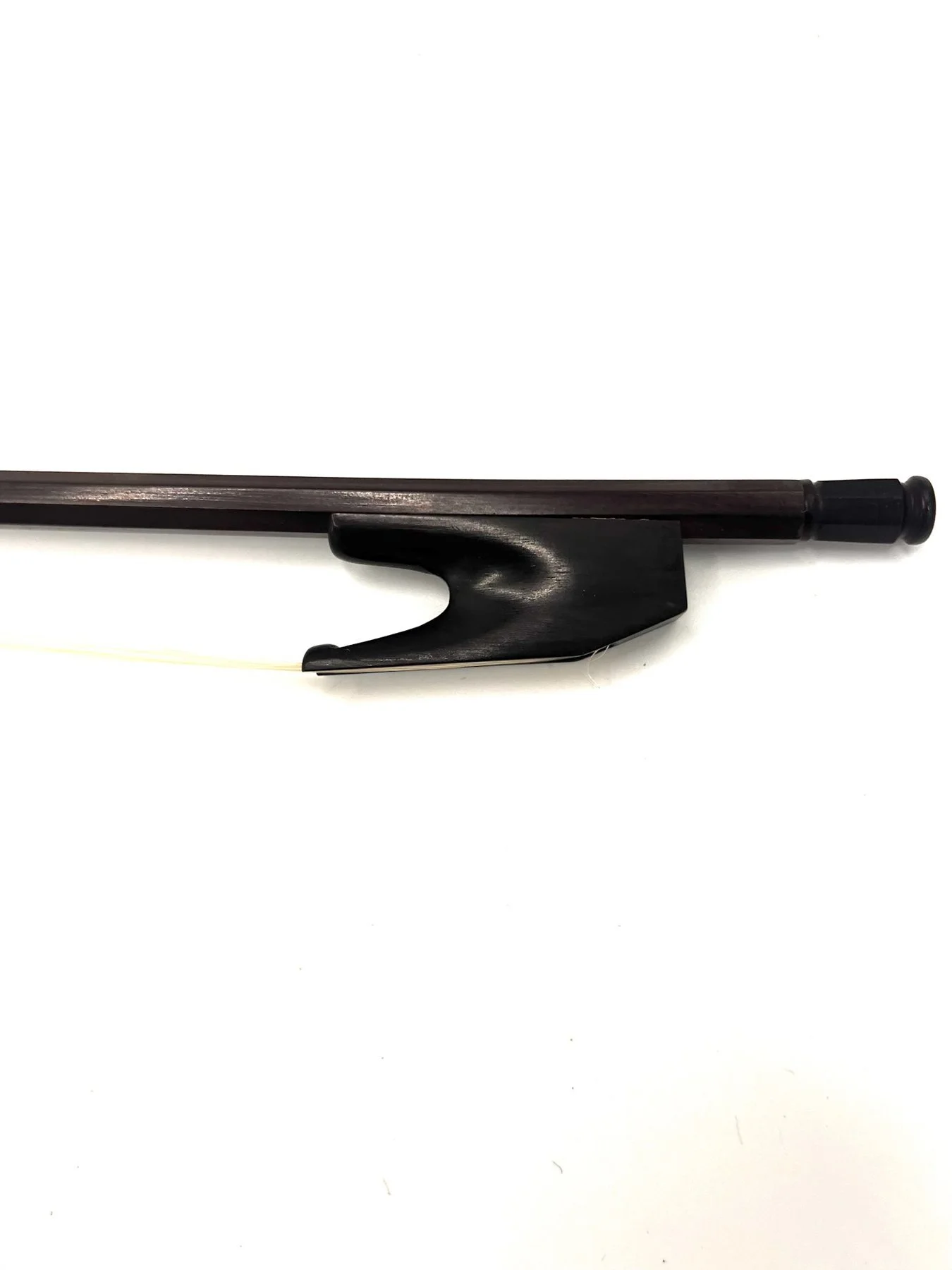 Image 1 of 8
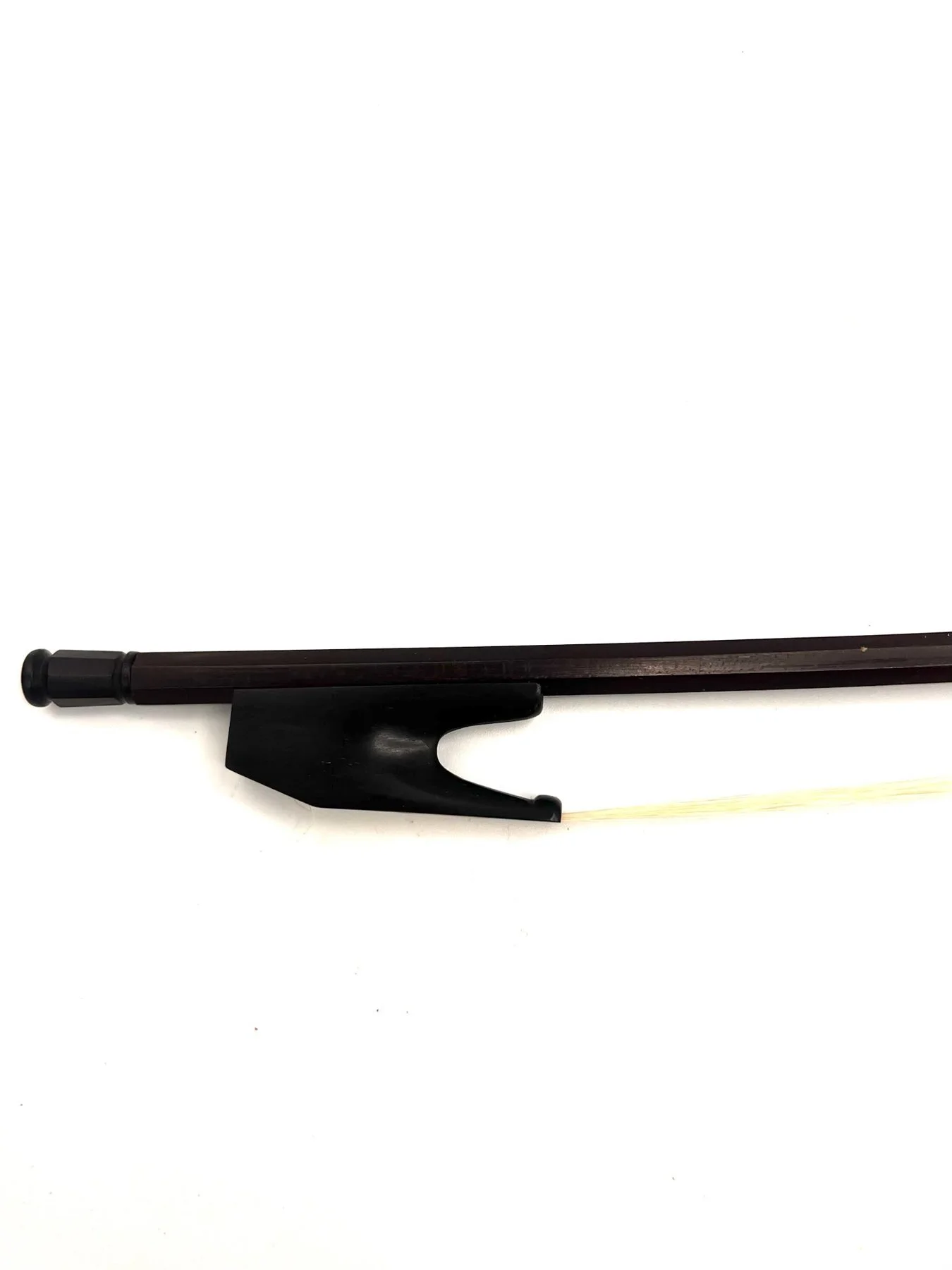 Image 2 of 8
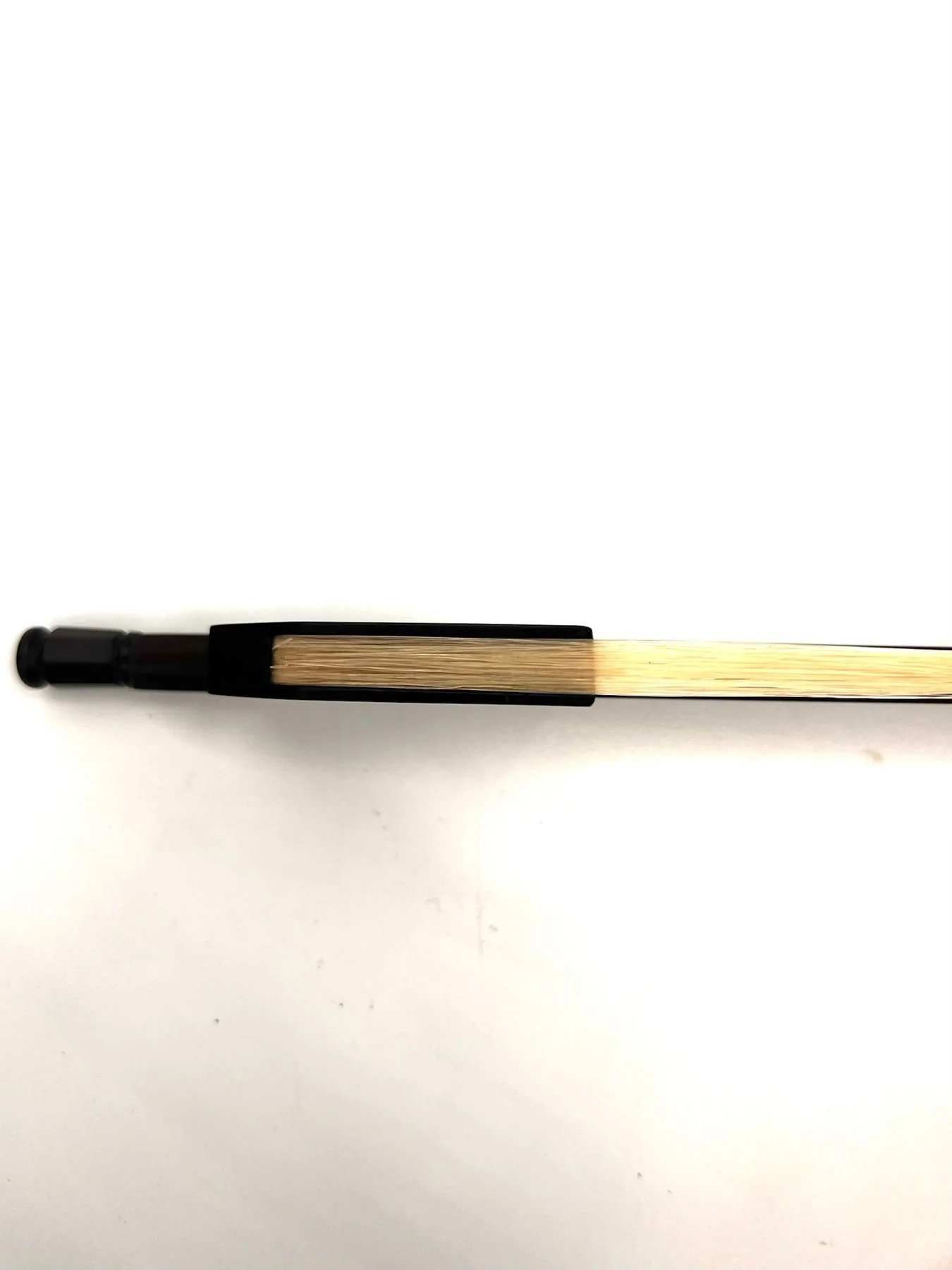 Image 3 of 8
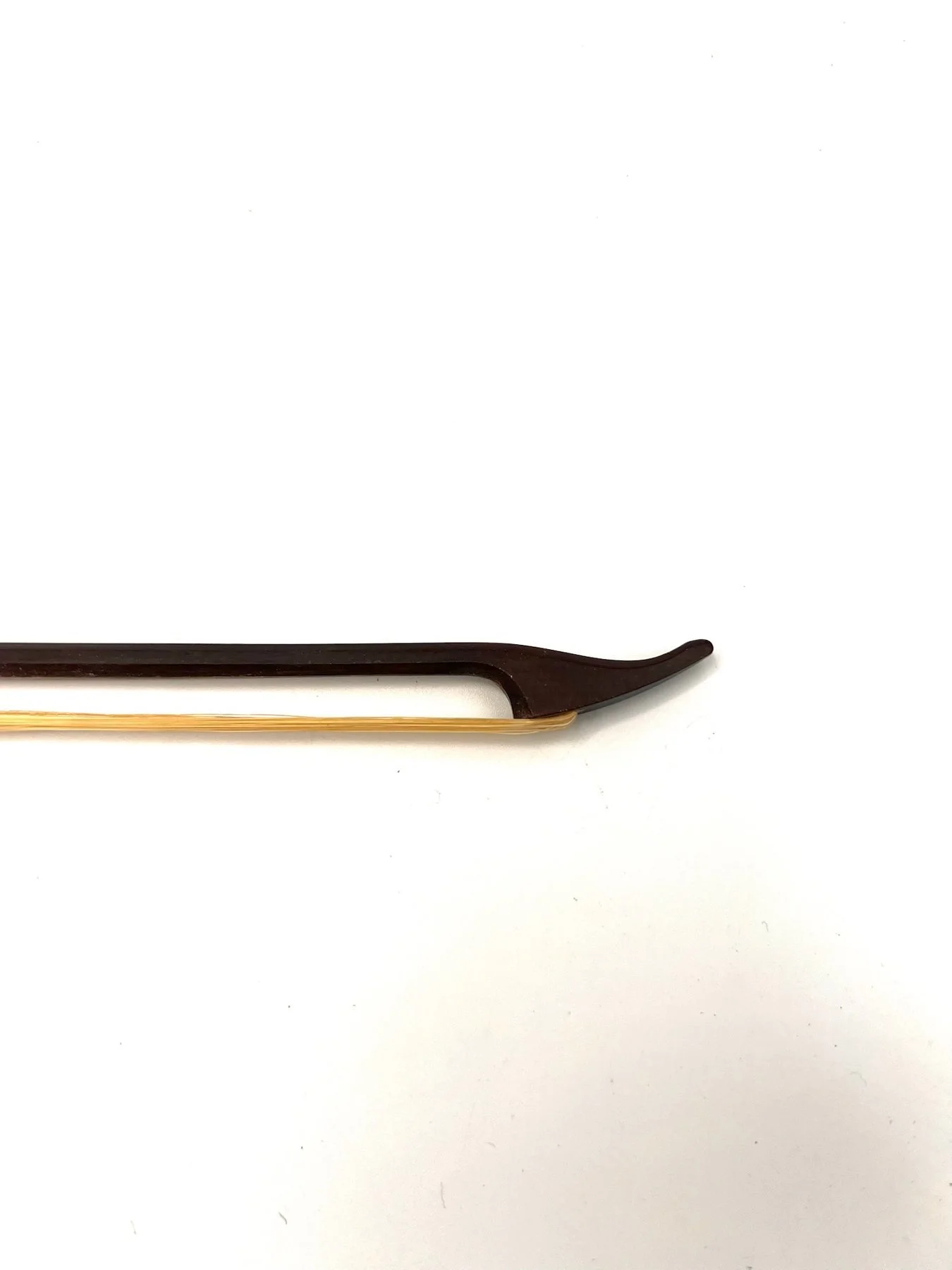 Image 4 of 8
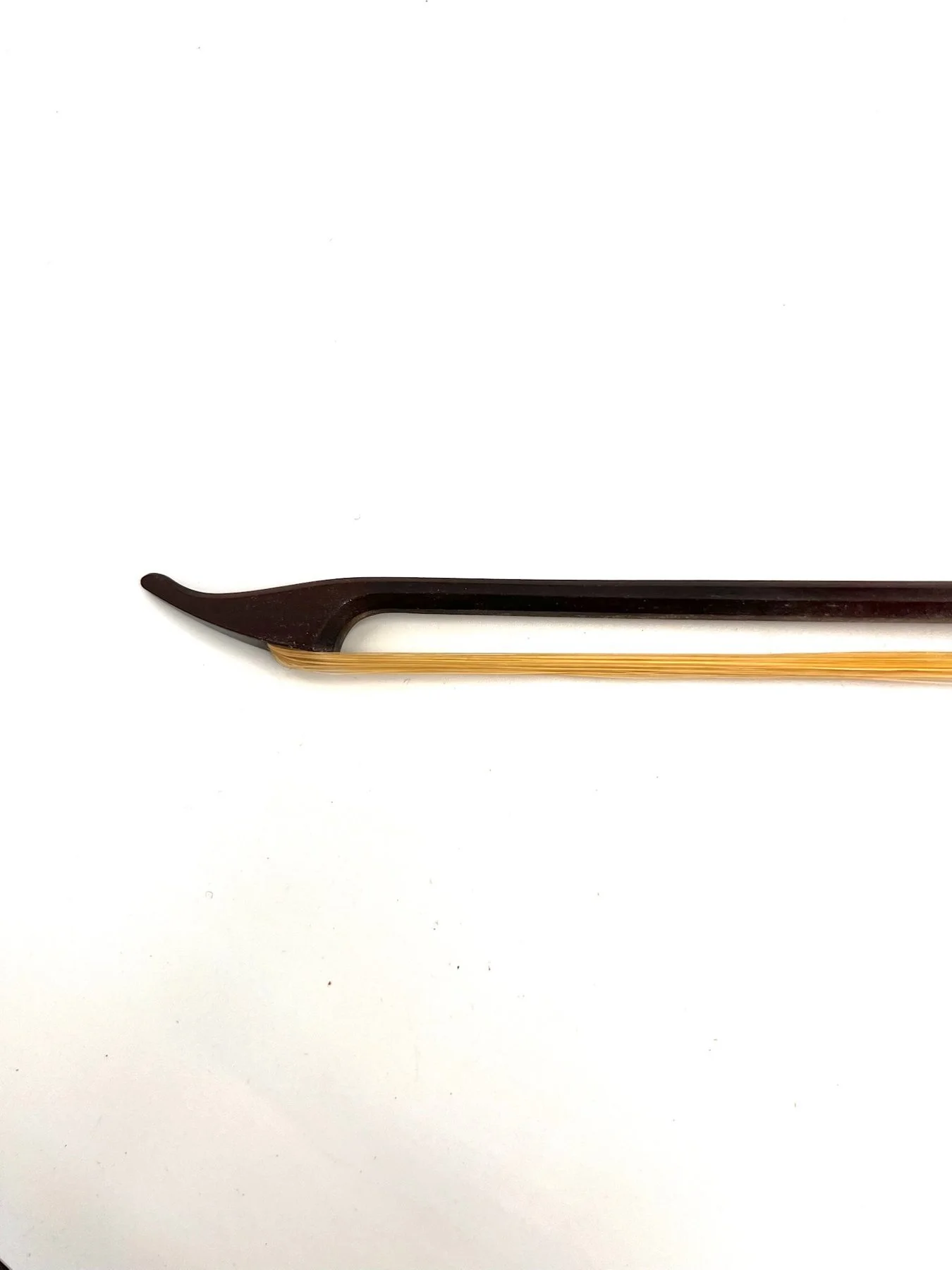 Image 5 of 8
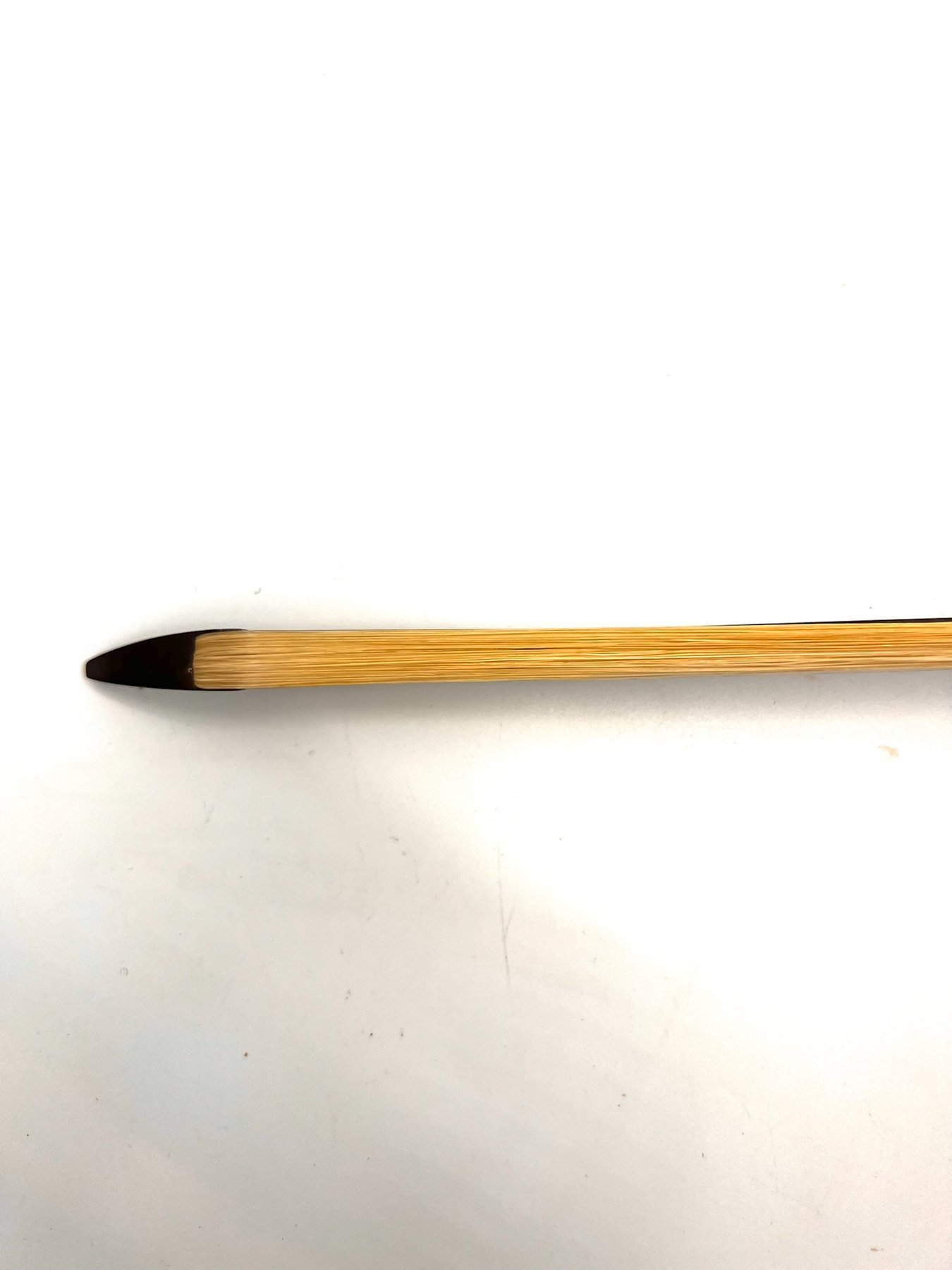 Image 6 of 8
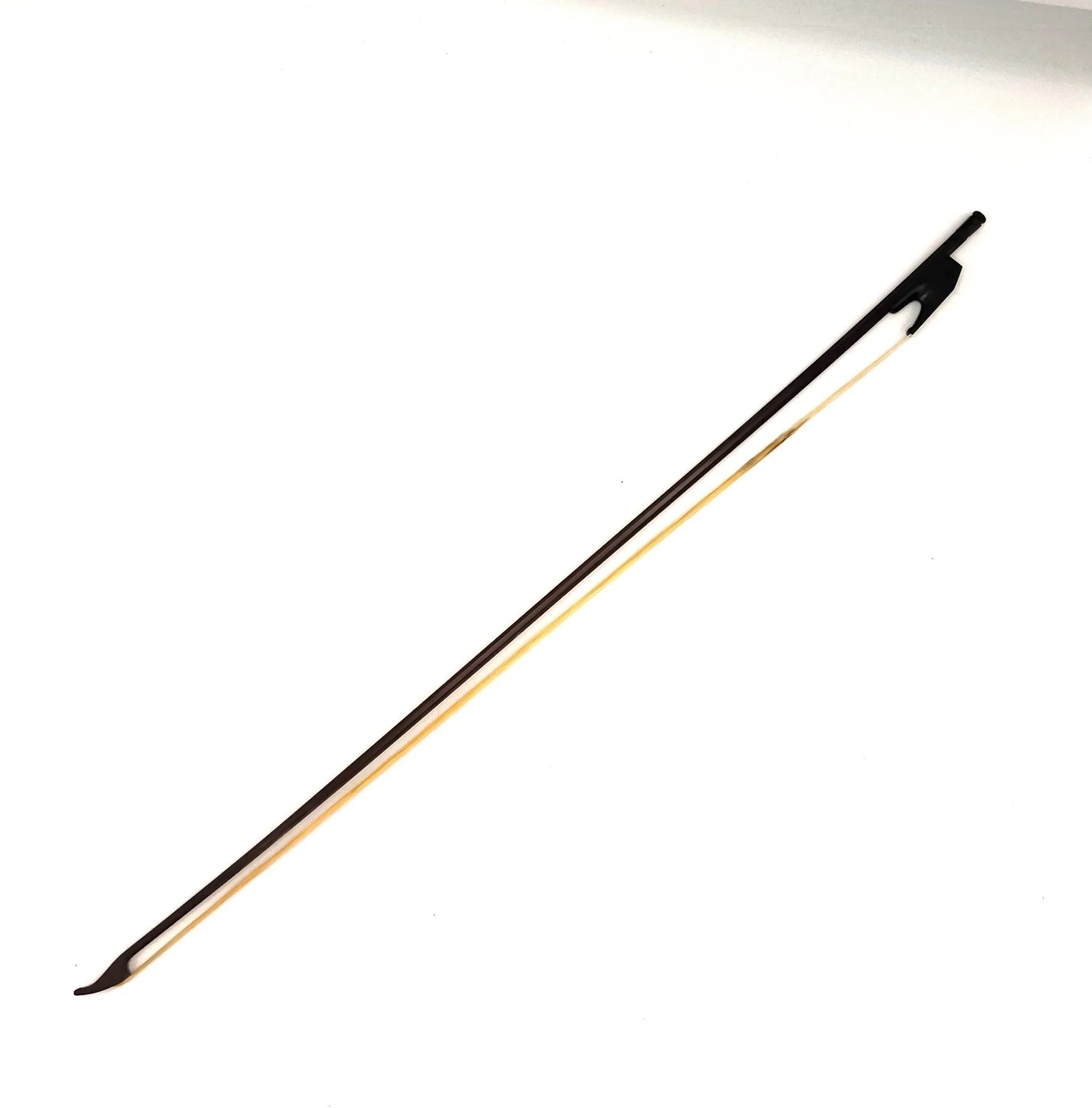 Image 7 of 8
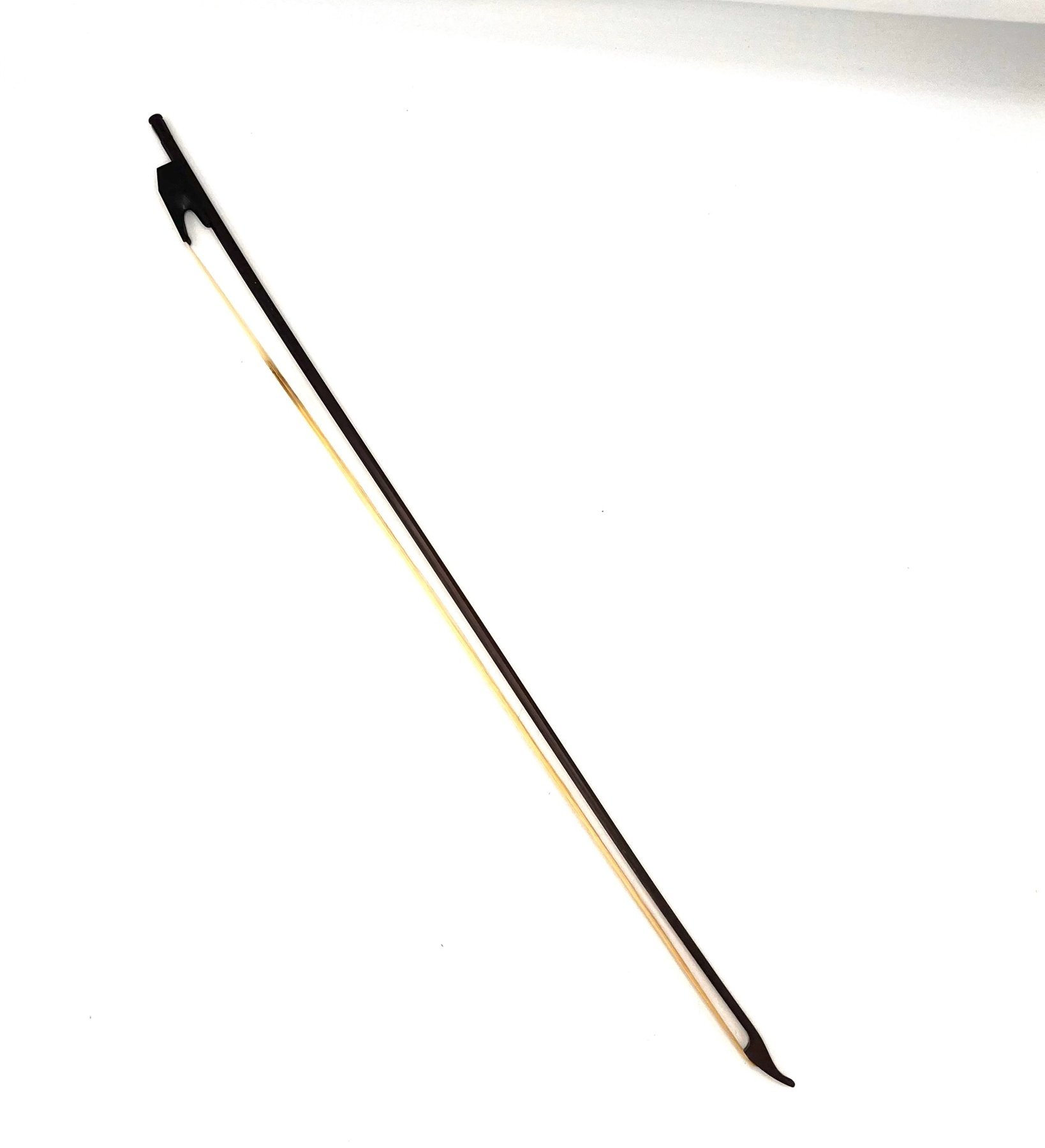 Image 8 of 8