Master and workshop violins
Understanding authorship, craftsmanship and identity
In the world of fine violins, the distinction between master and workshop instruments is fundamental. While both categories belong to the tradition of European instrument making, they represent different approaches to craftsmanship, authorship and artistic expression.
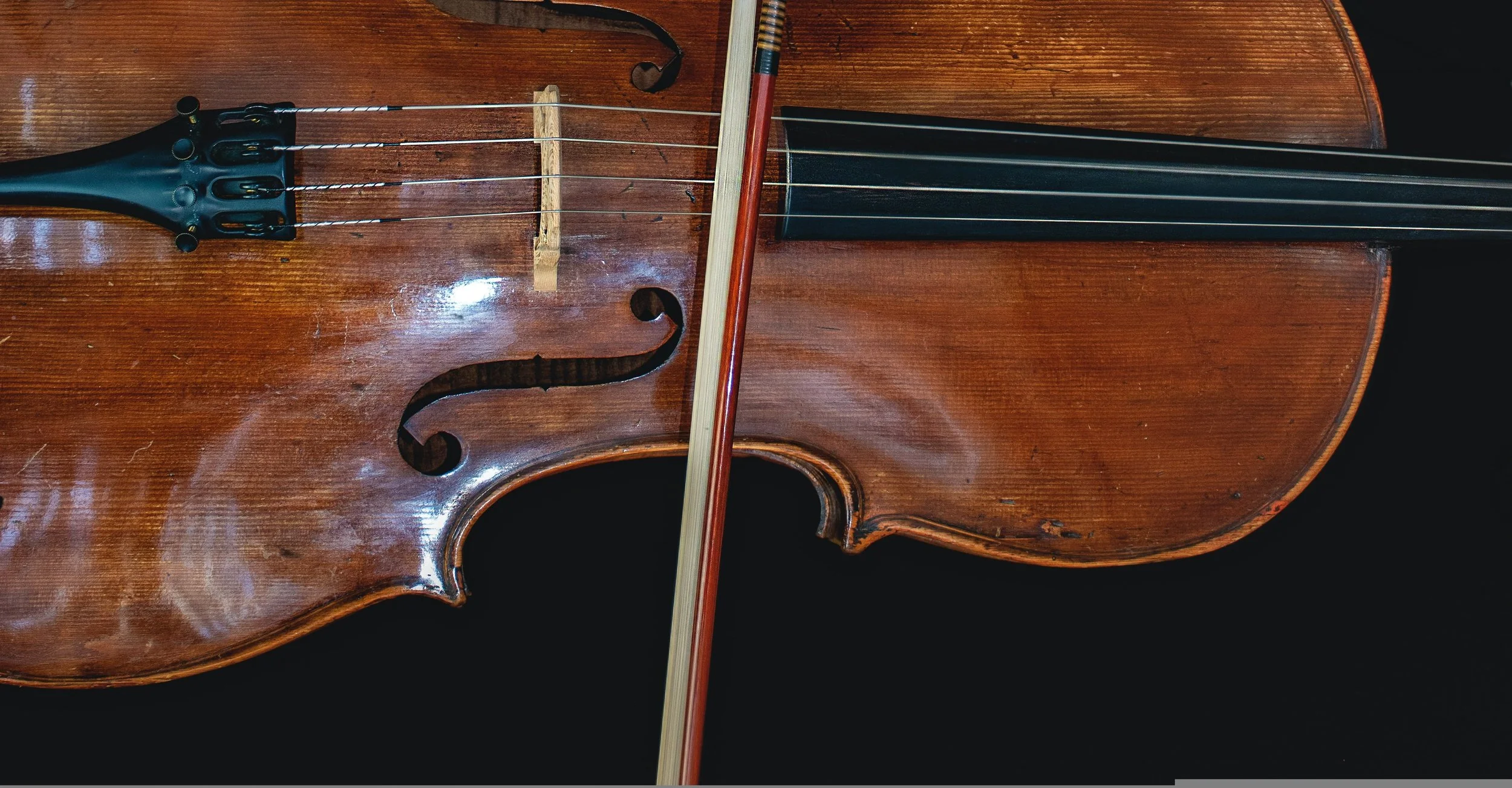
Master violins are typically created by individual makers. They reflect a personal style, refined technique and artistic intention shaped by years of experience and aesthetic choices. Such instruments often carry historical or cultural significance and are valued for their tonal complexity, individuality and depth of character. Each master violin embodies the vision and hand of its maker, making it unique in both sound and identity.
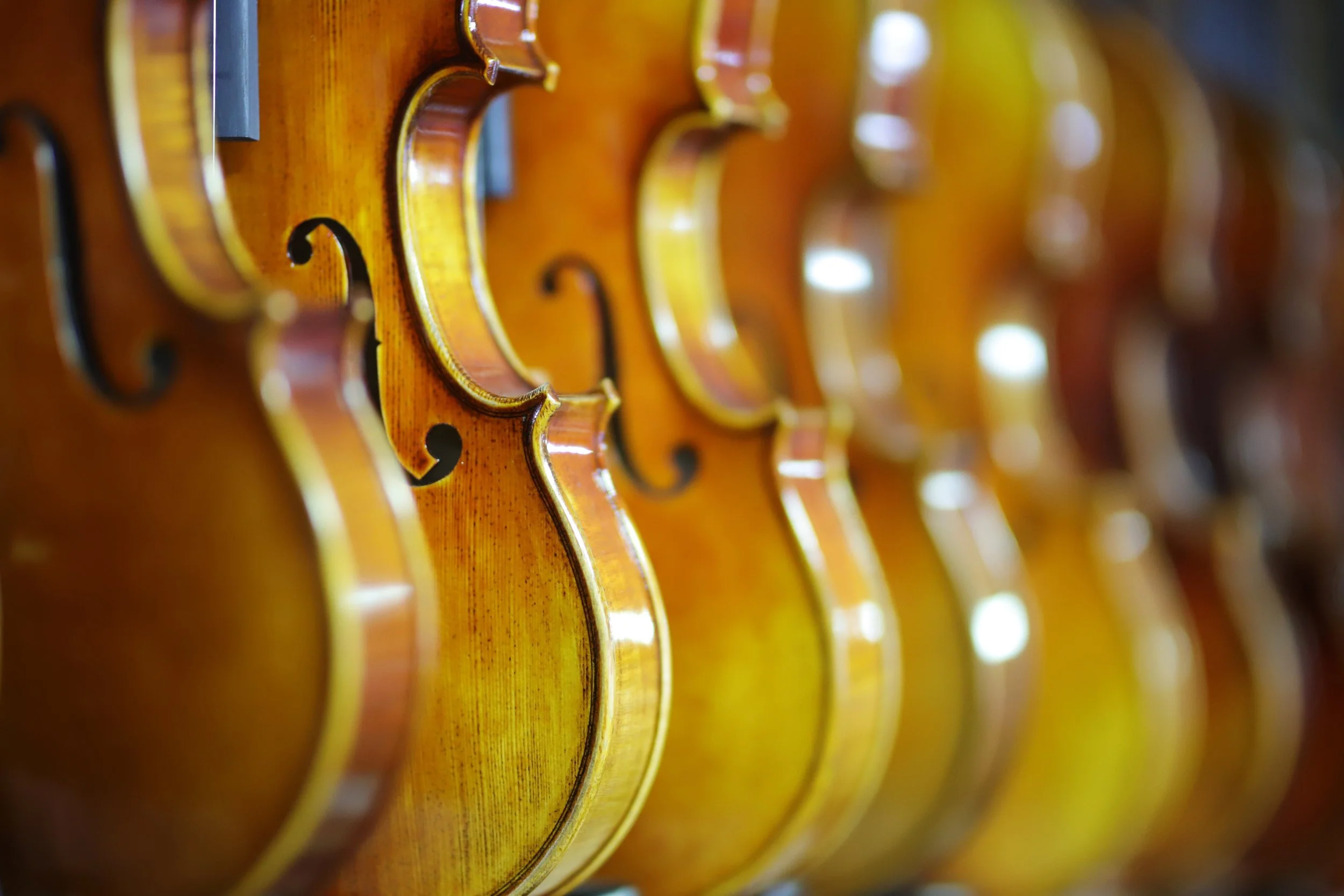
Workshop violins, by contrast, are produced within organized ateliers or workshops where multiple craftsmen contribute to the construction process. These instruments are usually based on established models and stylistic traditions, ensuring consistency and reliability. While workshop violins may lack the singular artistic signature of a master instrument, they often offer excellent musical quality and structural stability, making them highly suitable for professional and advanced players.
Rather than representing a hierarchy of quality alone, master and workshop violins illustrate two complementary dimensions of violin making. Together, they reveal the breadth of craftsmanship within the tradition of fine instruments and address different musical needs, contexts and expectations.

The role of selection and context
Beyond questions of authorship and production, the distinction between master and workshop violins is also shaped by selection, condition and context. An instrument’s value is not determined solely by its origin, but by the coherence between craftsmanship, sound, preservation and provenance.
A master violin derives much of its significance from individuality and historical continuity, yet its musical relevance depends on condition, setup and compatibility with the player. Likewise, a workshop violin may achieve remarkable artistic relevance when craftsmanship, tonal qualities and structural integrity align successfully.
For musicians and collectors alike, understanding this relationship is essential. Master and workshop violins should therefore not be viewed as opposing categories, but as different expressions within the same tradition of instrument making, each with its own artistic and practical significance.