Principles of selecting fine instruments
Craftsmanship, origin and integrity
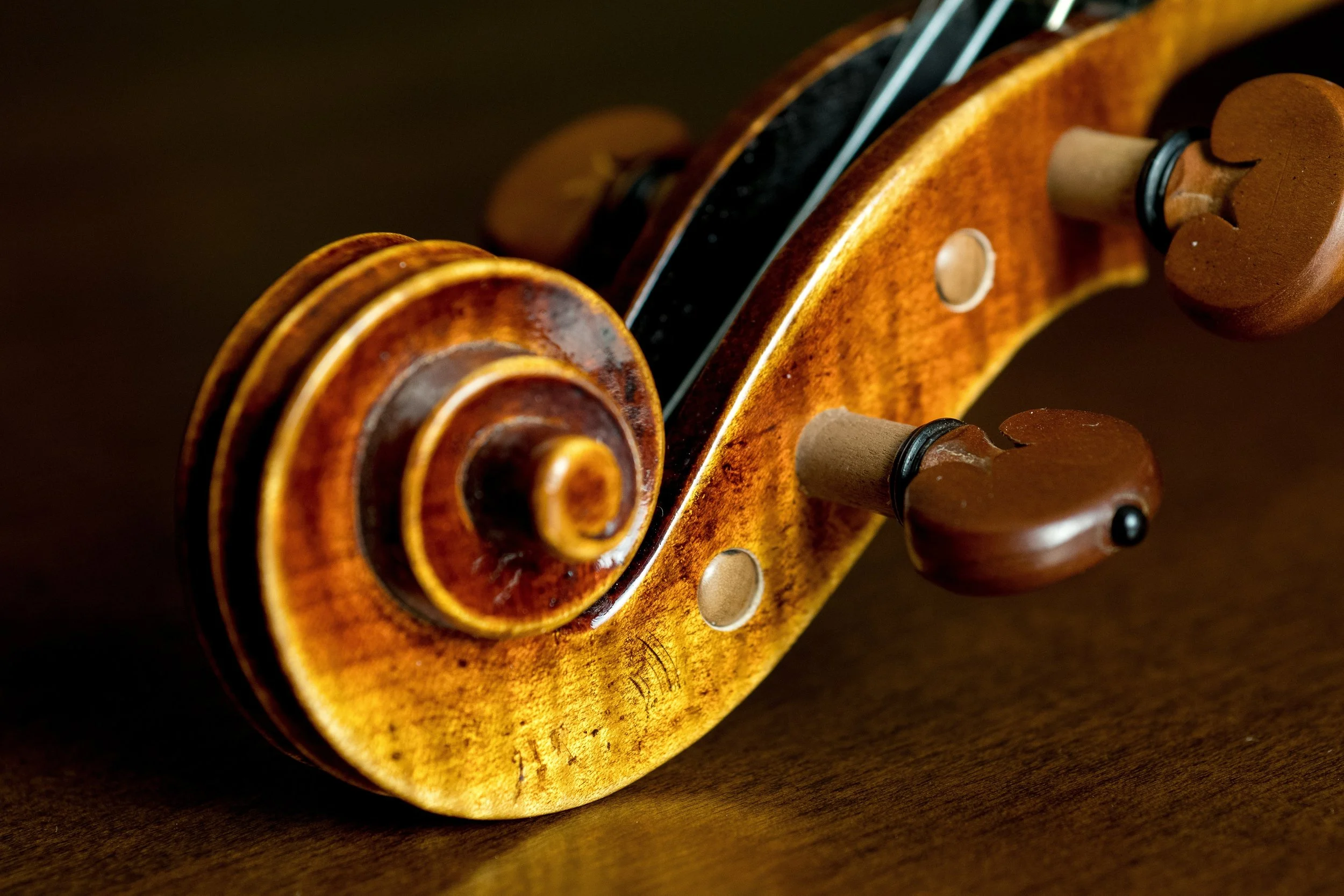
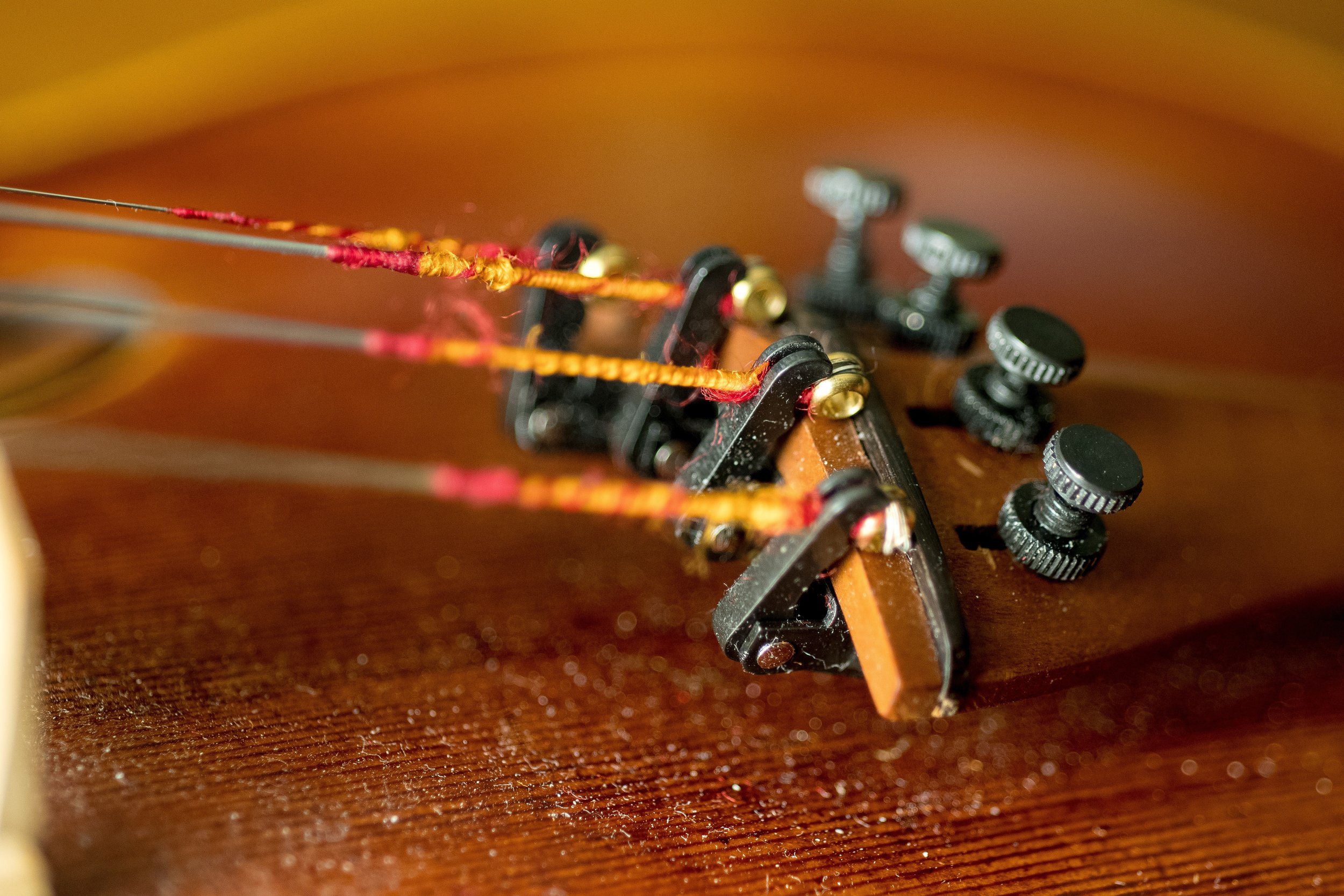
The evaluation of a fine instrument begins with craftsmanship. Construction quality, choice of materials and technical execution form the structural foundation upon which all other qualities depend. Attention is given not only to visible workmanship, but also to internal construction, proportions and the coherence of stylistic elements.
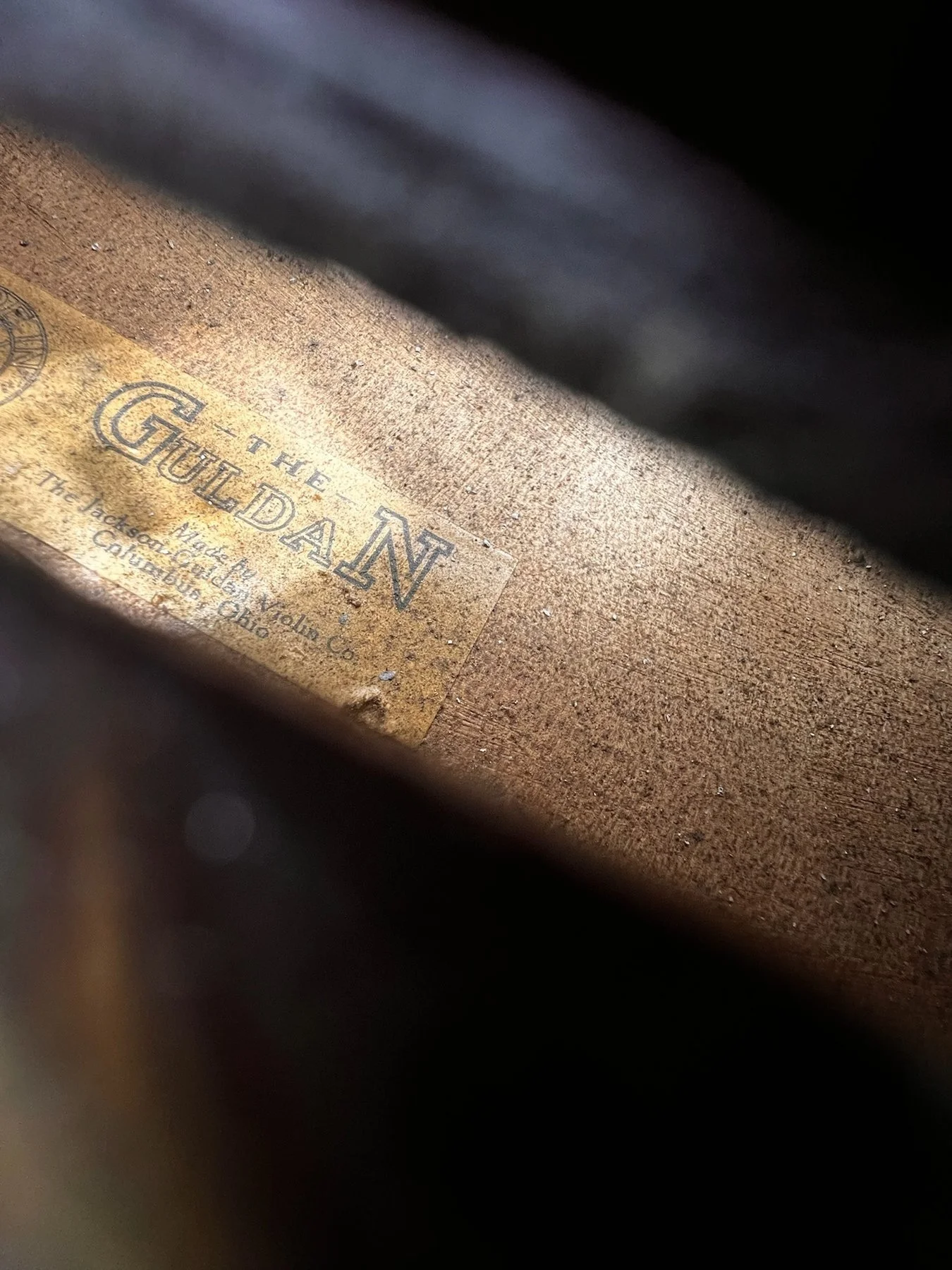
Origin and authorship play an equally important role. Instruments associated with recognised schools, makers or traditions carry historical and cultural significance that extends beyond technical merit. Integrity of condition is essential: interventions, restorations and alterations are assessed in relation to their impact on authenticity, structure and long-term stability.
A fine instrument is therefore understood not as a single attribute, but as the convergence of craftsmanship, provenance and preservation.
Musical character, condition and suitability
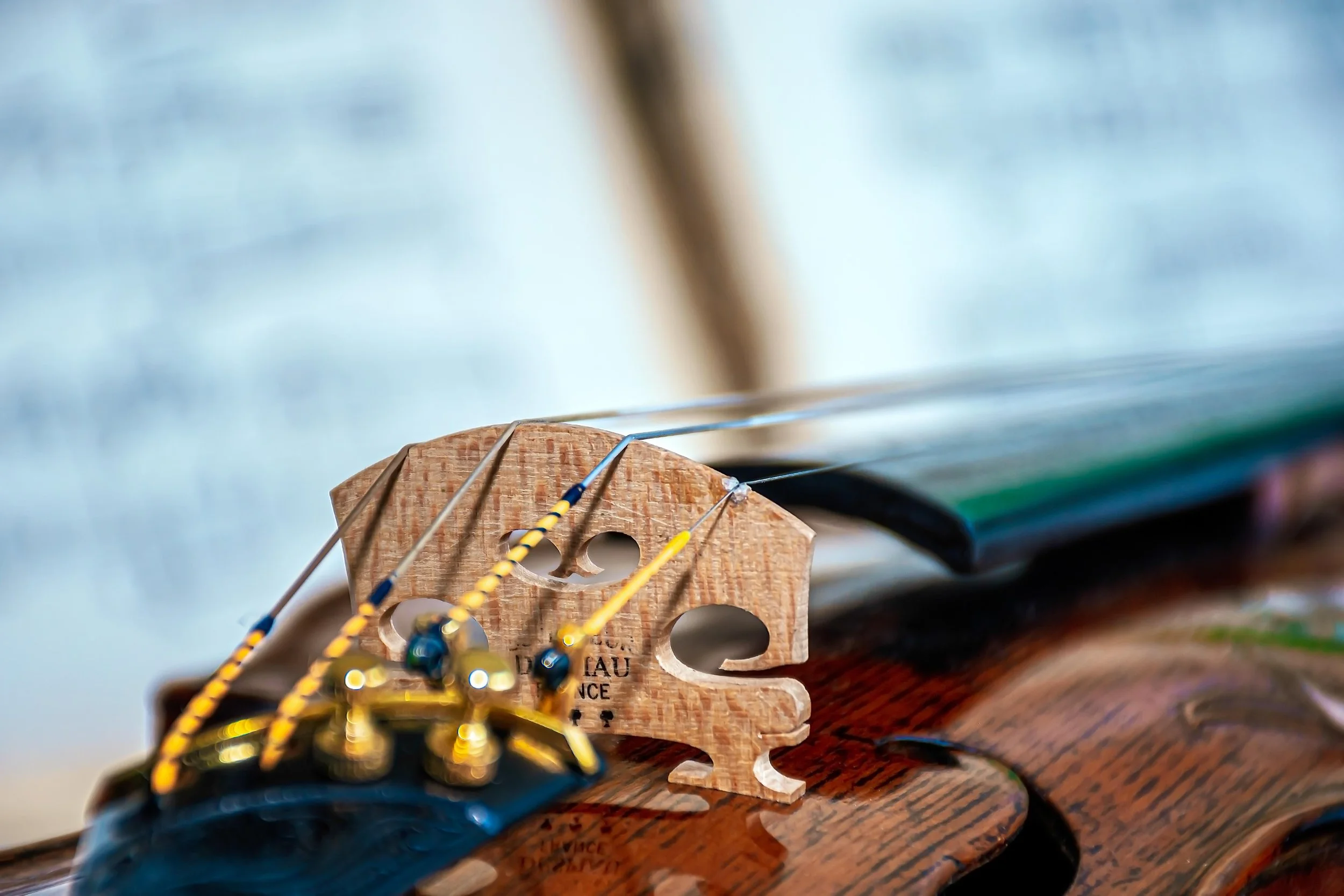
Beyond physical construction, the musical qualities of an instrument are decisive. Tone, response, balance and projection determine how an instrument functions in practice. These characteristics are shaped not only by the maker, but also by age, materials, setup and interaction with the player.
Condition and playability are evaluated alongside artistic potential. An instrument must offer both structural reliability and expressive capacity. Suitability is ultimately personal: the relationship between instrument and musician cannot be reduced to objective criteria alone.
Selecting a fine instrument is thus a process of discernment rather than classification. It requires balancing historical value, craftsmanship and musical character, recognising that the true significance of an instrument emerges where technical excellence meets individual expression.