Introduction
A pre-owned violin bow after the baroque model, with an all-wood frog and button. Offered for rehair, it is an attractive and affordable bow for players exploring historically informed performance.
Historical and Artistic Context
Before the modern Tourte bow became the standard around 1800, violinists played with lighter bows with an outward-curving stick and a pointed head. Baroque bows give the clear articulation and natural decay that music of the 17th and 18th centuries asks for.
Craftsmanship and Materials
The stick is of a warm reddish-brown hardwood, finished with the pointed baroque head. The frog and the turned button are both made of wood, without metal mounts, true to the historical style.
Condition
Good pre-owned condition. The bow needs a rehair before playing; a few loose hairs are visible at the frog.
Details
Type: violin bow, baroque model. Frog and button: wood. Length approx. 71 cm and weight approx. 50 g (estimated, based on standard dimensions for baroque violin bows).
Included
The bow as shown. Offered for rehair; no case included.
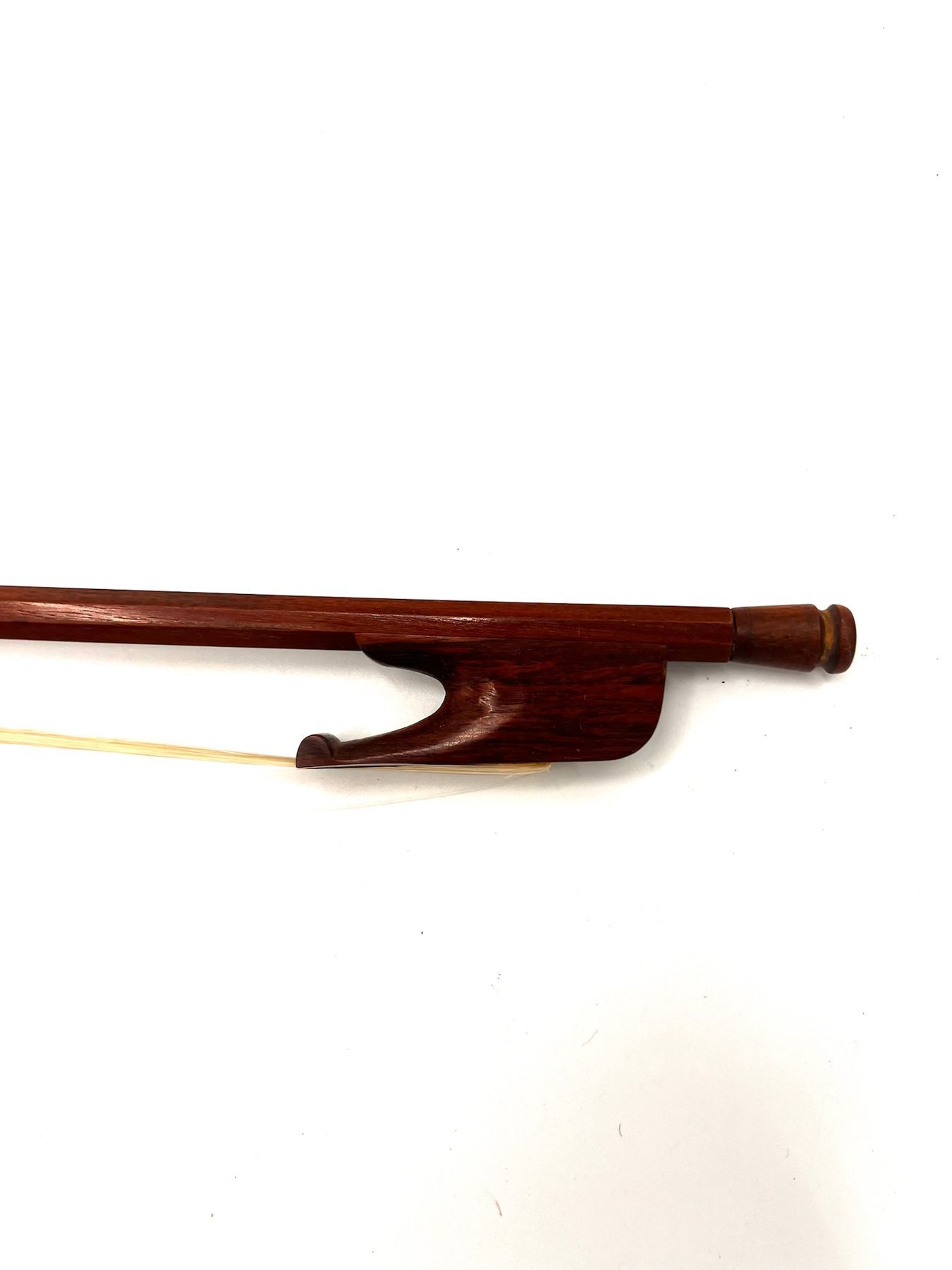 Image 1 of 7
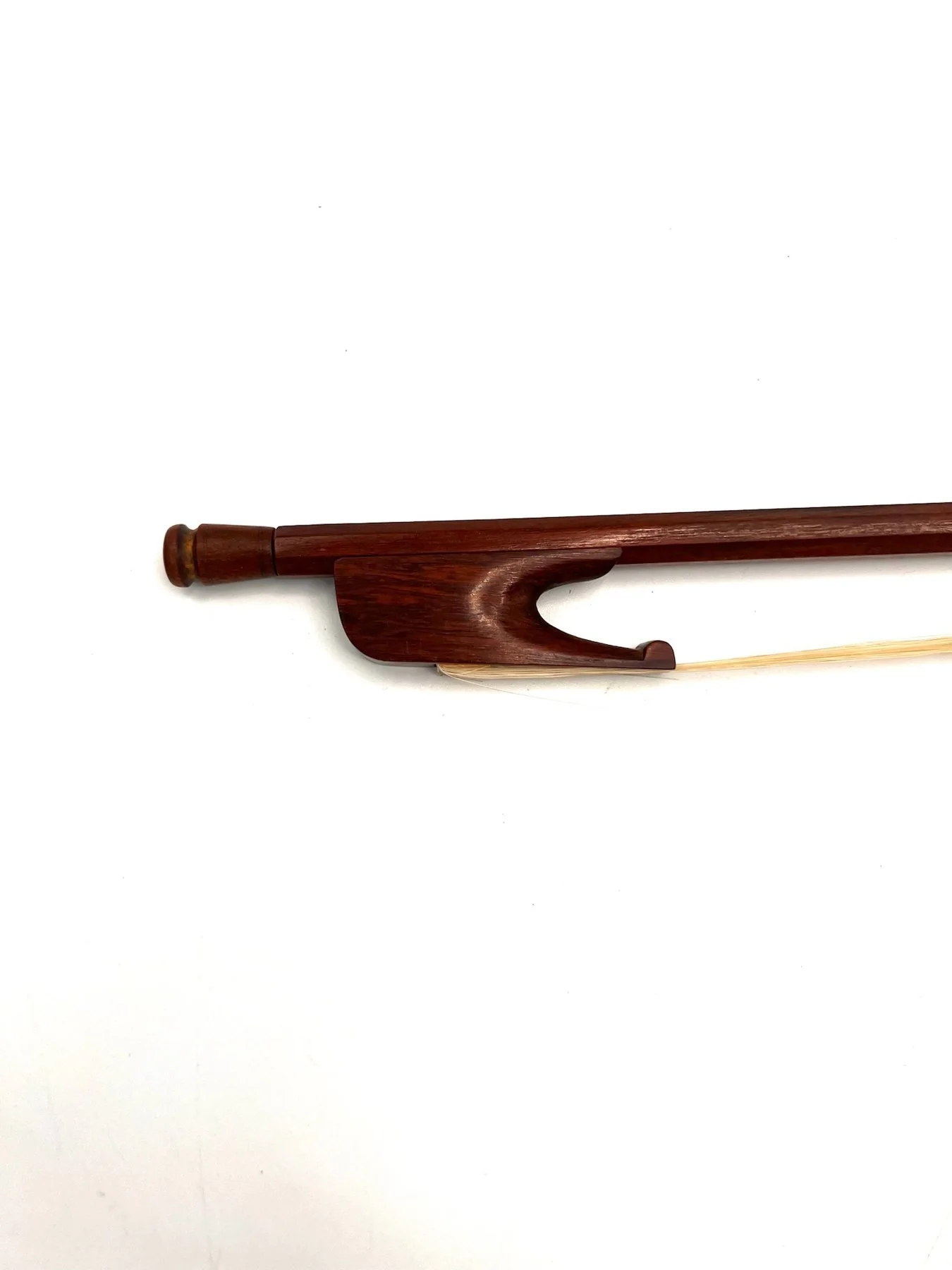 Image 2 of 7
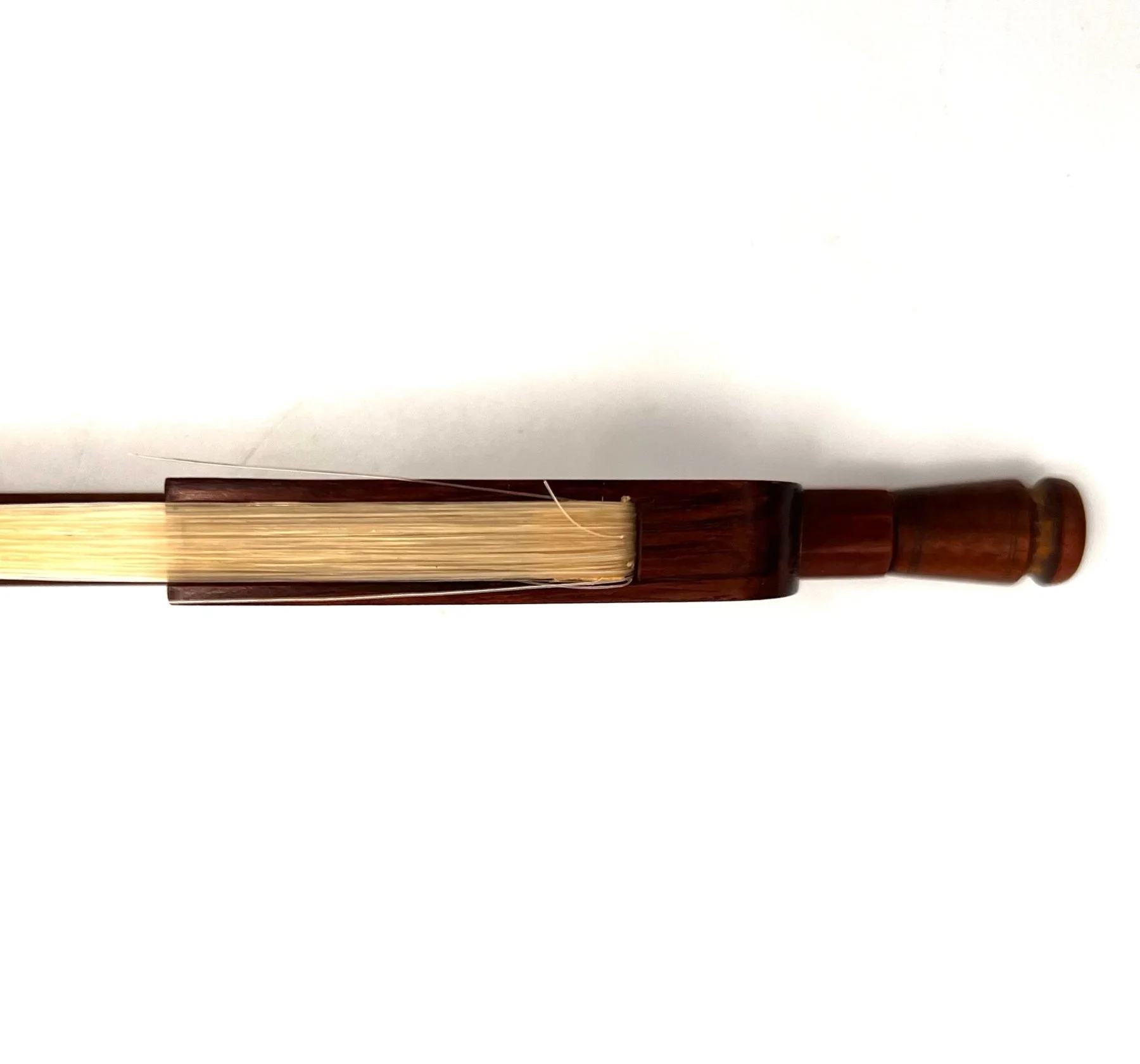 Image 3 of 7
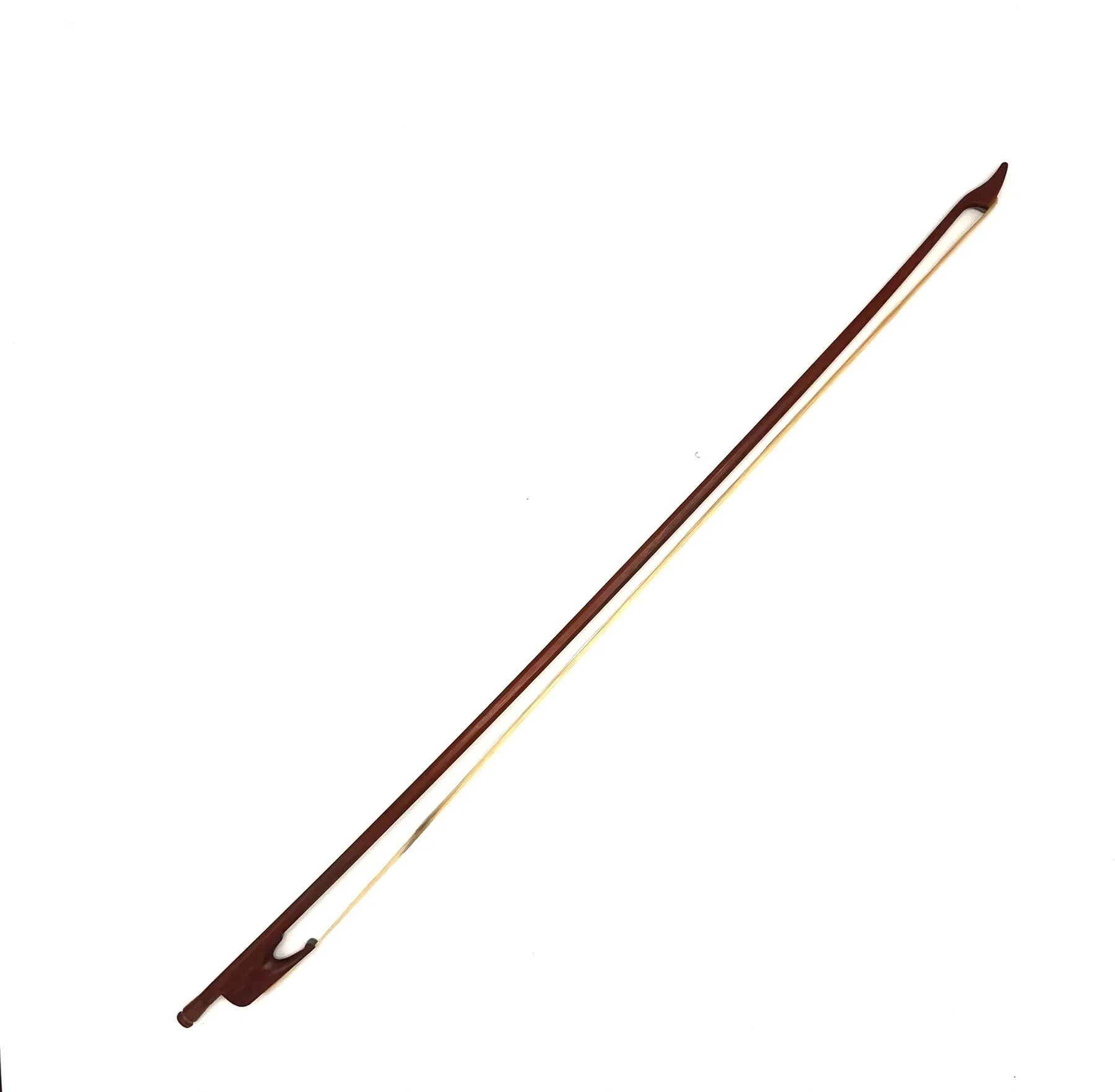 Image 4 of 7
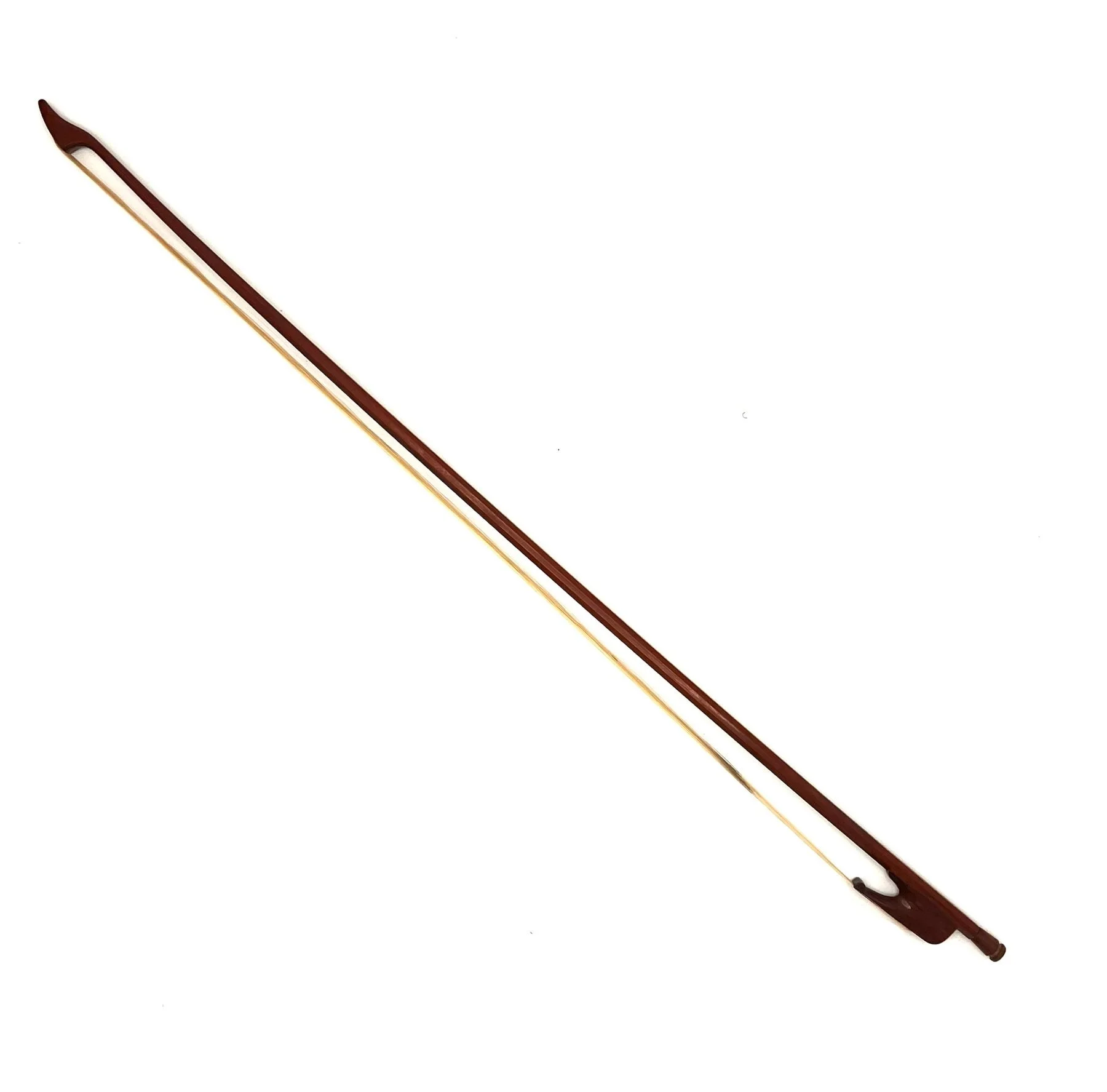 Image 5 of 7
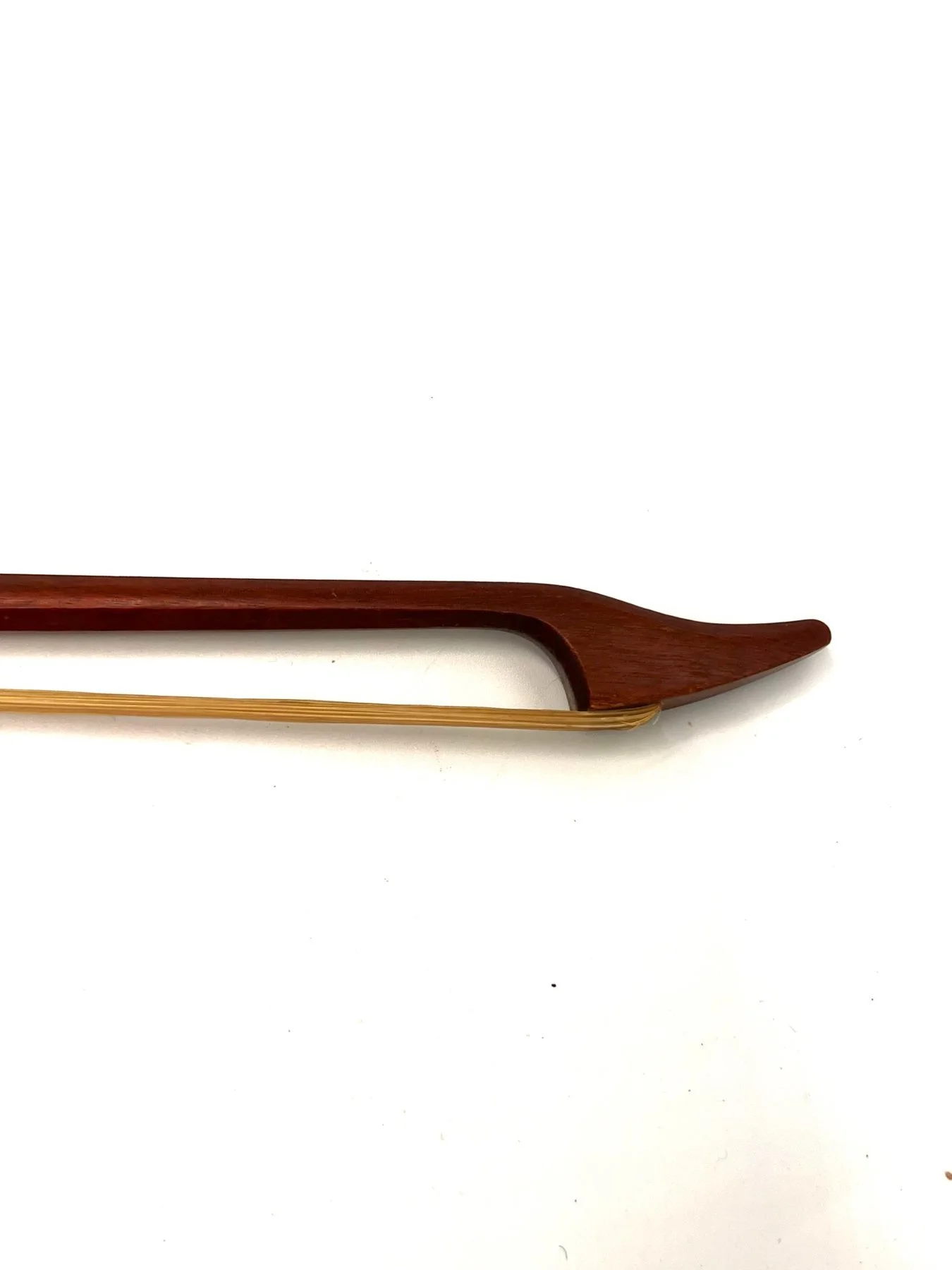 Image 6 of 7
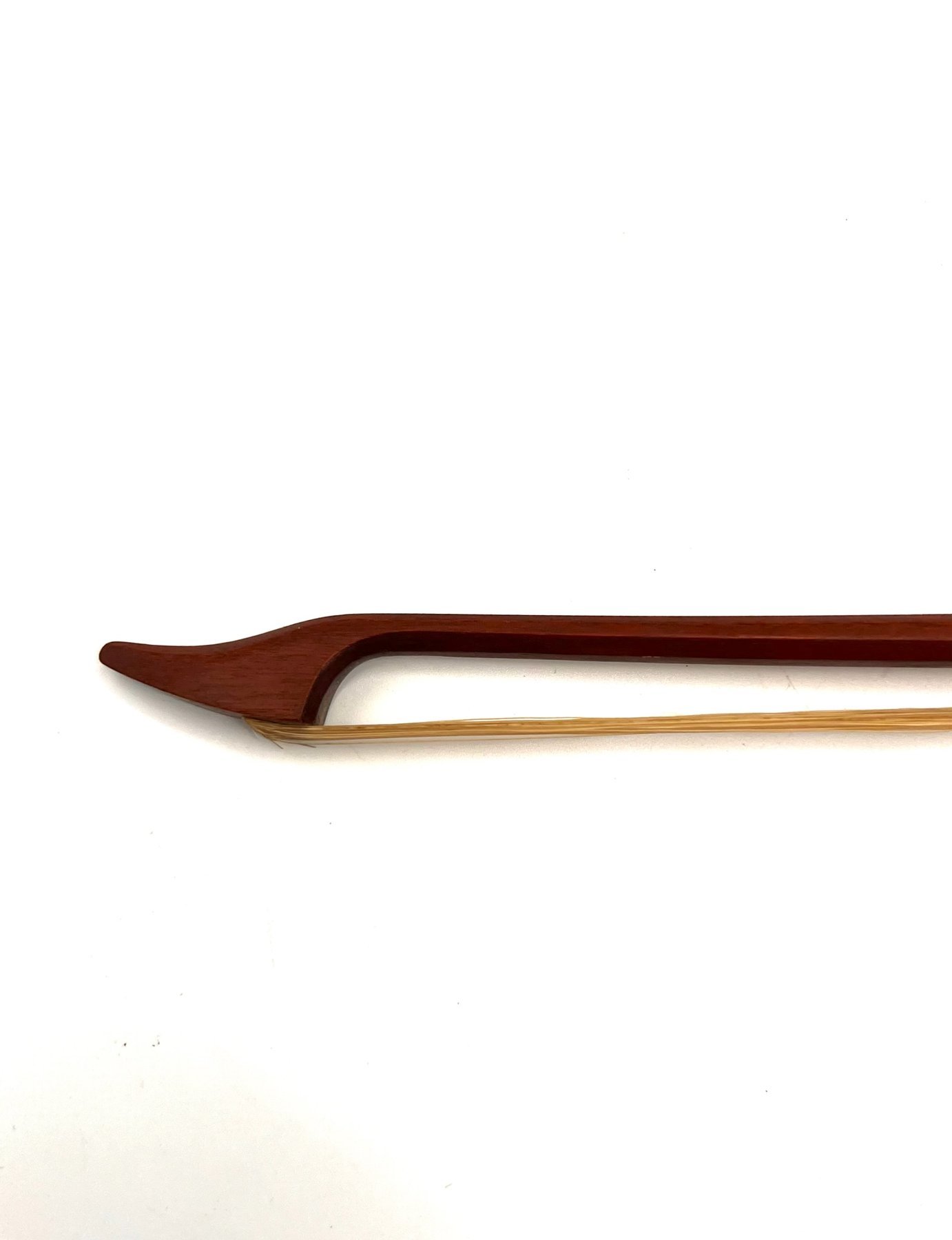 Image 7 of 7