Heartwood Violins
Fine violins and bows
Who we are
We are a European-based dealer specializing in fine violins and bows. With years of experience in the field, we connect musical heritage with clients worldwide, offering musicians, collectors and connoisseurs instruments distinguished by craftsmanship, character and lasting artistic value.
What we offer
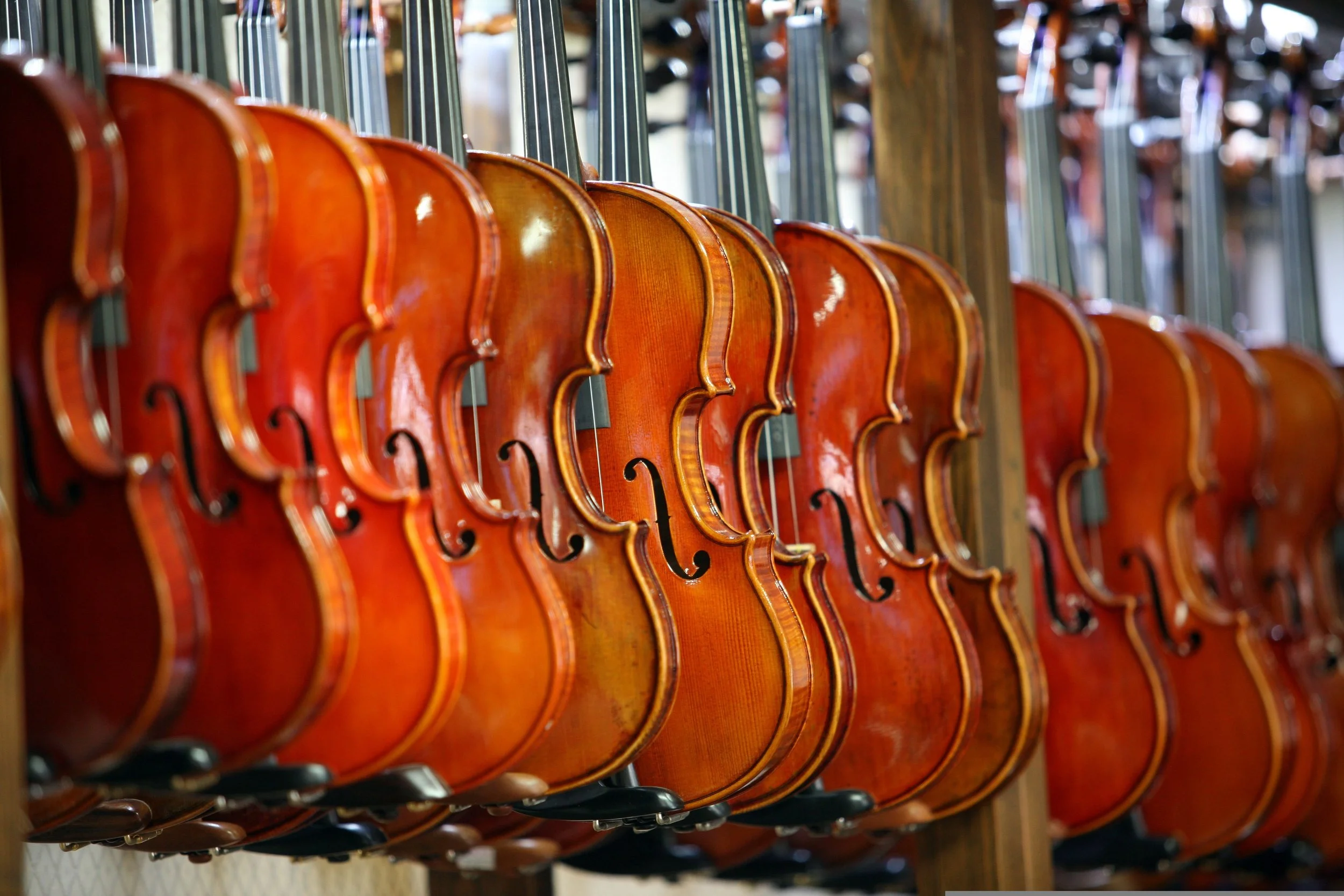
We offer a collection of fine violins and bows sourced from Europe and other established centers of instrument making. Each instrument is selected for its musical quality and craftsmanship.
Our collection includes violins in full size (4/4) as well as fractional sizes such as 3/4, alongside a carefully selected range of bows for violin, viola and cello.
Due to our careful and selective approach, the collection is continually evolving, with instruments regularly entering and leaving.
The collection spans refined workshop instruments to master-made pieces, with an emphasis on character, condition and musical potential.
Our mission and vision
Our mission is to identify, present and connect fine violins and bows with musicians, collectors and connoisseurs worldwide, highlighting instruments that embody craftsmanship, historical integrity and musical character.
Our vision is to contribute to the continuity of European instrument-making traditions by offering instruments selected with discernment, respect for their origin and long-term cultural significance.
We value craftsmanship, historical integrity and musical character. Every instrument is approached with respect for its origin, materials and tradition, with an emphasis on quality, transparency and long-term significance.
Current selection
Violins
1. Introduction
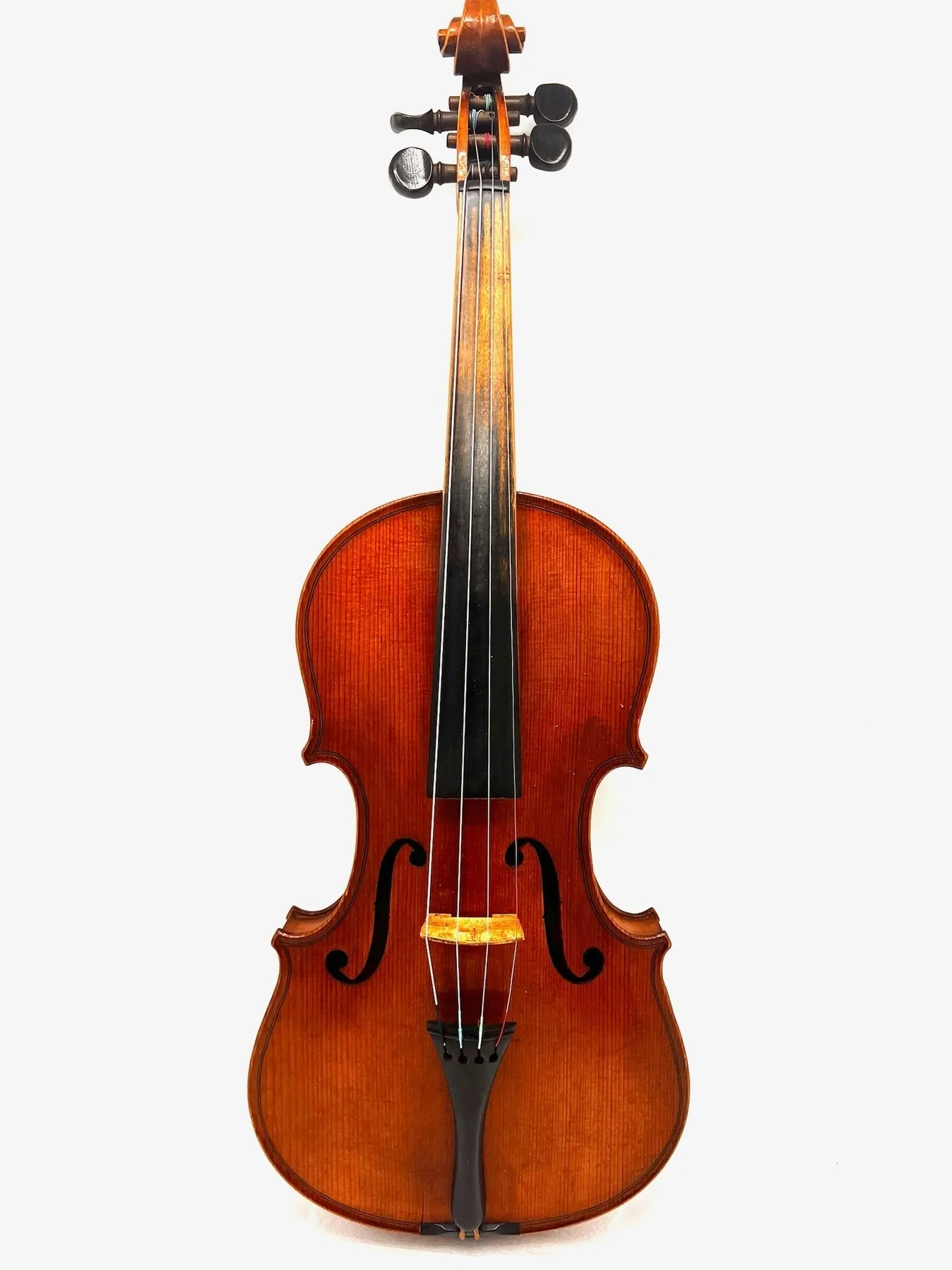
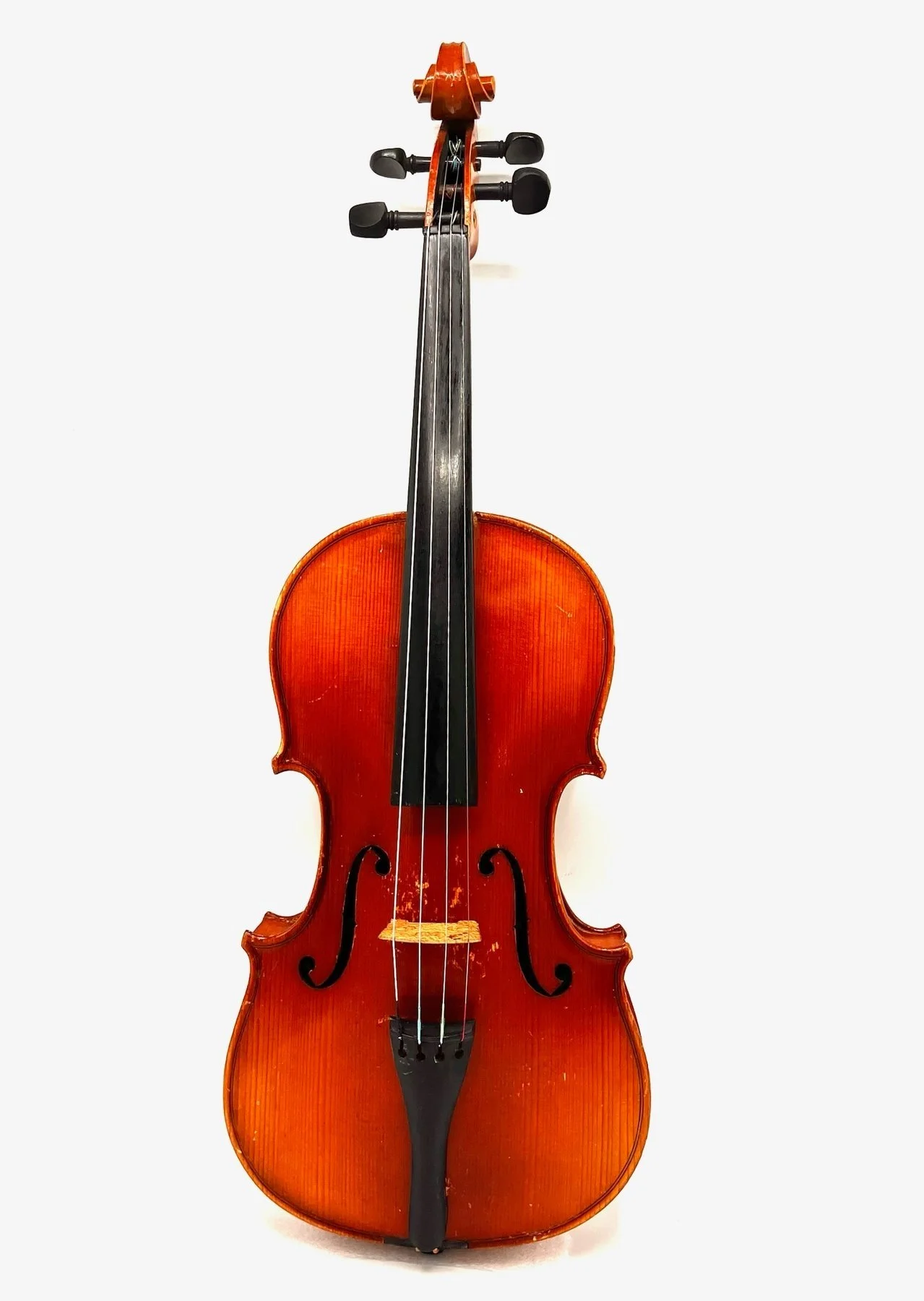
A fine full-size violin from a European workshop, unlabeled, displaying elegant Cremonese proportions and a beautifully aged varnish in warm orange-brown tones. Offered as a well-preserved and playable instrument, complete with setup and additional new bridge.
2. Historical and Artistic Context
This violin represents the solid craftsmanship typical of early to mid-20th-century Central European workshops. Such instruments were carefully modeled after Stradivari and Guarneri patterns and are valued for their reliability, tonal balance, and visual refinement.
3. Craftsmanship and Materials
The violin features a two-piece flamed maple back with matching ribs and a finely grained spruce top. The transparent amber varnish reveals the natural figure of the wood beneath. Ebony fittings complement the classical outline and traditional edgework.
4. Tonal Character and Playability
The instrument produces a clear, resonant, and balanced tone, suitable for intermediate to advanced players. It offers excellent projection and a responsive lower register, making it a dependable performance violin.
5. Condition
Small crack on the lower right side. The soundpost is well fitted and stable.
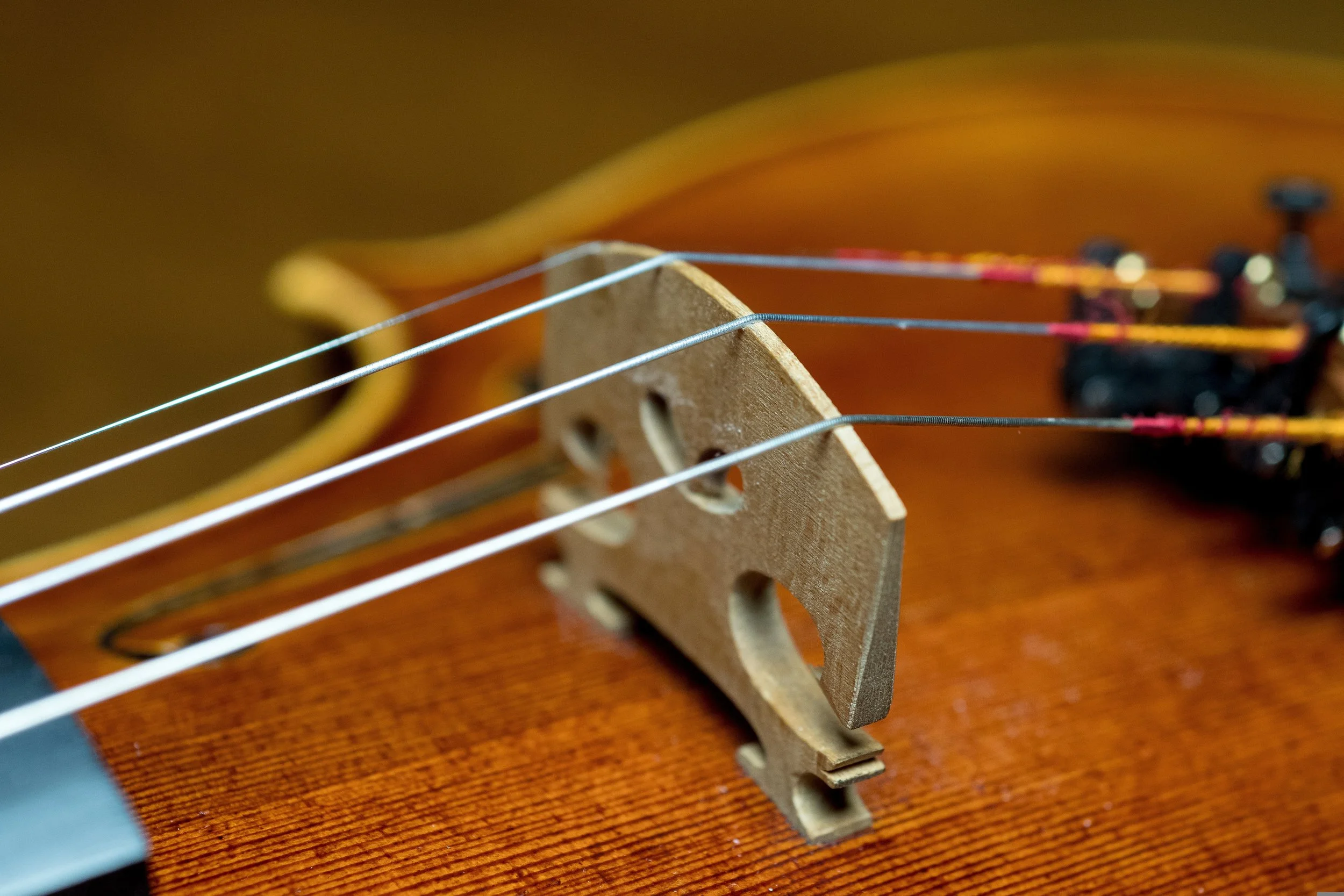
Currently fitted with an older bridge (needs replacement before playing), and an additional new bridge (uncut) is included for professional fitting if desired.
Strings are complete and playable. No case included.
6. Measurements (cm)
• Body length: approx. 35.8 cm
• Upper bout: approx. 16.8 cm
• Middle bout: approx. 11.4 cm
• Lower bout: approx. 20.8 cm
Introduction
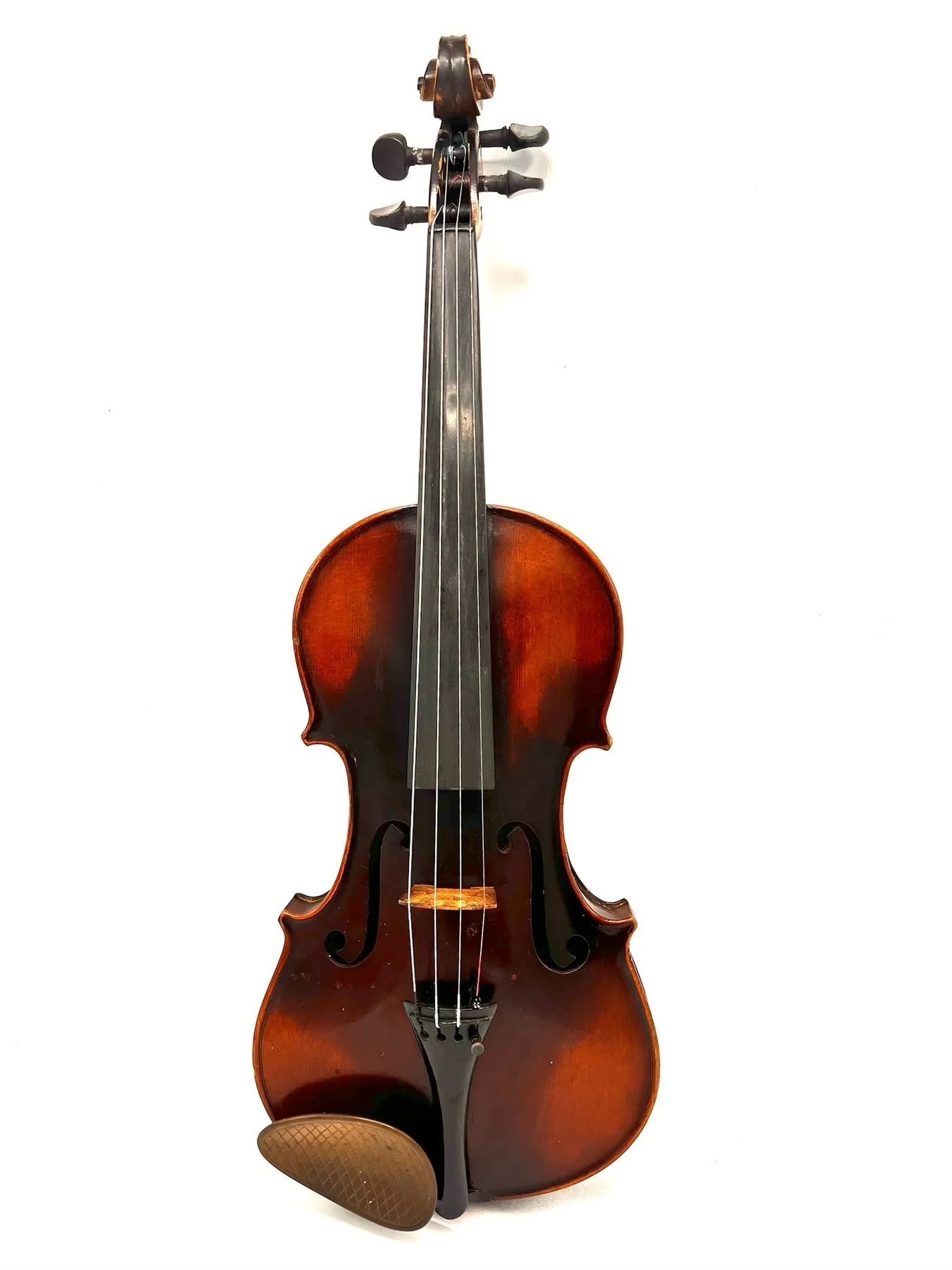
This full-size 4/4 violin originates from Germany and represents the solid, practical craftsmanship traditionally associated with German workshop instruments of the late 20th century. Designed as a reliable study and ensemble instrument, it offers a balanced construction suitable for advancing students and amateur players.
Historical and Artistic Context
German violin making has long been characterized by its emphasis on durability, consistency, and functional sound production. Workshop-made instruments from this tradition are valued for their structural reliability and predictable tonal response, making them widely used in educational and orchestral settings throughout Europe.
Craftsmanship and Materials
The violin is constructed in the classical manner, featuring a spruce top with clearly visible grain and a maple back, ribs, and scroll, finished in a warm reddish-brown varnish. The fittings are modern and functional, including ebony-style fingerboard, pegs, and tailpiece. The bridge is present and in new condition, though not professionally cut to final playing specifications.
Tonal Character and Playability
Once fully set up, this violin is expected to offer a clear, focused tone with good projection, suitable for both solo practice and ensemble work. The instrument currently requires professional setup, including correct fitting of the soundpost and final bridge adjustment, to achieve optimal tonal balance and responsiveness.
Condition
• Bridge: Present; new and uncut
• Soundpost: Not currently fitted
• Strings: New factory-quality strings installed
• Case: Not included
• Damage: No cracks or structural repairs observed; visible cosmetic wear consistent with regular use (surface scratches and varnish wear, particularly around the tailpiece area)
• Overall status: Setup required before playing
Attribution
German workshop violin, late 20th century,
attributed to the tradition of Central European student instrument making.
1. Introduction
This American violin, labelled “The Guldan” and originating from Ohio, reflects the early-20th-century Midwestern school of craftsmanship. Such instruments often blend European immigrant traditions with the growing American lutherie movement, resulting in warm tonal colors and reliable playability.
2. Historical and Artistic Context
During the early 1900s, the Guldan workshop in Columbus, Ohio, was known for producing solid, approachable instruments intended for students and advancing players. Their work embraced Central-European building methods while incorporating a distinctly American sense of durability and practicality. The present example shows the characteristic scroll profile, amber-brown varnish, and lightly antiqued patina consistent with its era and workshop tradition.
3. Craftsmanship and Materials
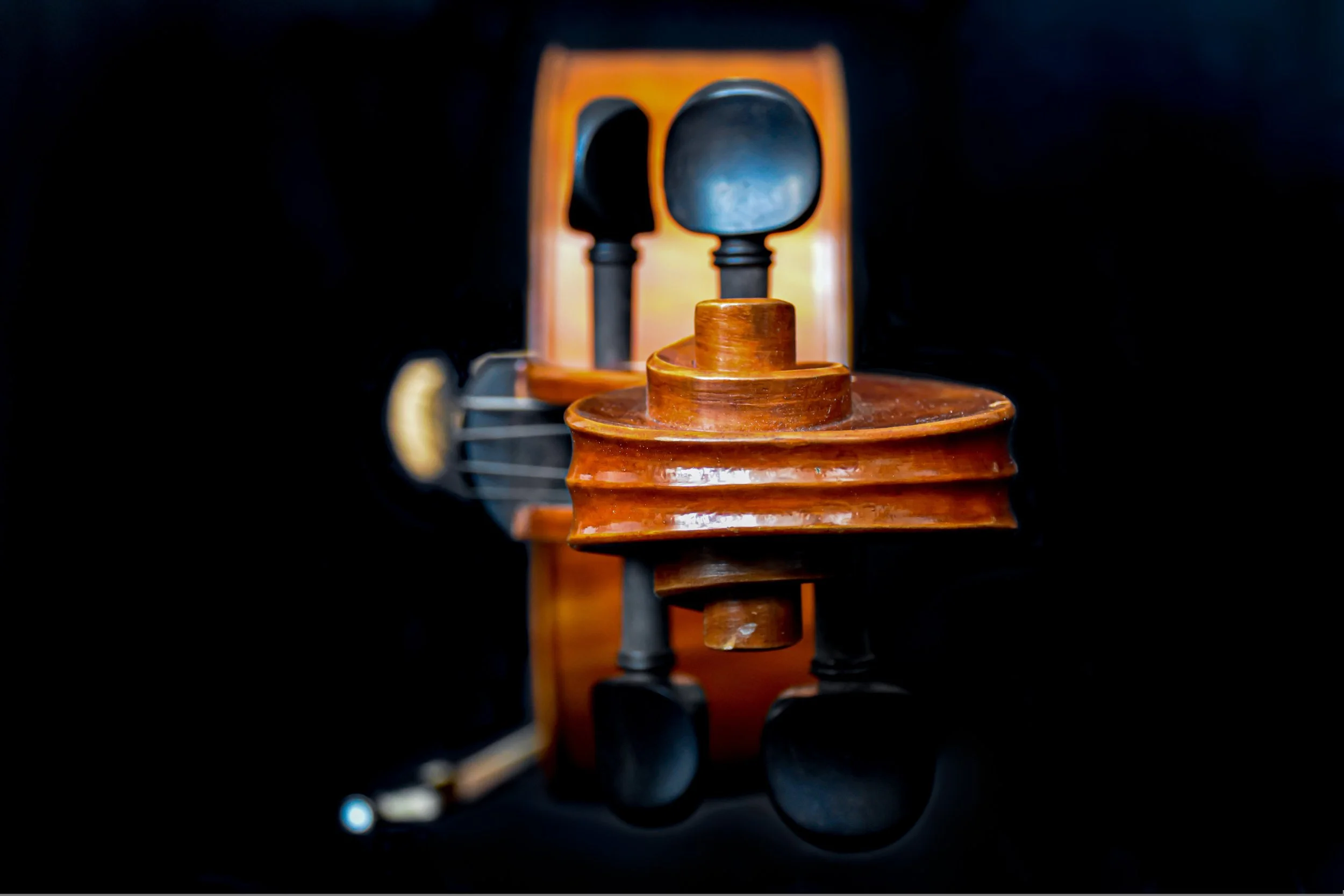
The violin features a medium-grained spruce top paired with flamed maple back and ribs, finished in a warm reddish-brown varnish. The scroll is neatly carved, showing typical Guldan workmanship. Ebony fittings, including the fingerboard and pegs, provide stability.
• Bridge: Original and properly aligned.
• Soundpost: Correctly fitted and stable.
• Strings: New factory-quality set installed.
4. Tonal Character and Playability
This playable instrument offers a rounded, lyrical voice with a warm lower register and clear treble response. It speaks easily under the bow, making it suitable for students, ensemble players, or collectors seeking an early American workshop violin with character and charm.
5. Condition
• General condition: Structurally sound and ready to play.
• Scroll: Small cosmetic chips present, typical for an instrument of its age. Please advise photos.
• Case: Included; old but functional.
6. Measurements (cm)
• Total length: 60 cm
• Body length: 36 cm
• Upper bout: 21 cm
• Middle bout: 12 cm
• Lower bout: 13.5 cm
• Weight: 460 g
Bows
1. Introduction
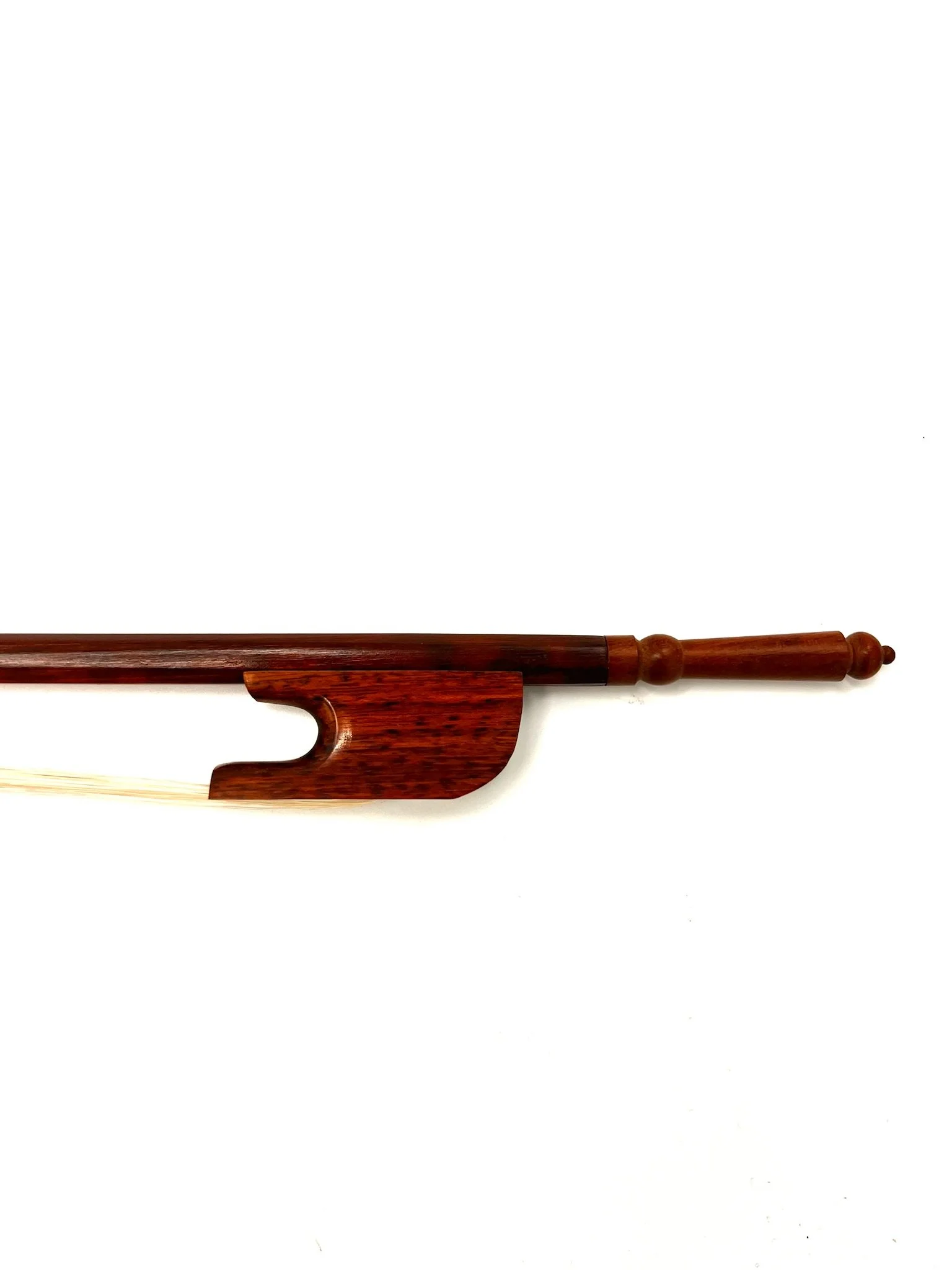
A finely crafted German violin bow in the baroque tradition, reflecting the elegant simplicity and functional grace characteristic of 18th-century design. This piece embodies the precision and discipline of German craftsmanship, executed in beautifully grained reddish-brown pernambuco-style wood.
2. Historical and Artistic Context
Inspired by early baroque performance practice, this bow follows the classical model used by musicians of the Bach and Handel era. Its open frog and rounded screw recall the authentic forms developed before the rise of the modern Tourte model, offering both historical accuracy and refined playability.
3. Craftsmanship and Materials
Handmade in Germany from carefully selected hardwood with a deep, expressive grain. The stick balances strength and flexibility perfectly, while the open frog is carved with precision and finished to reveal the natural texture of the wood. The tip is elegantly shaped, adhering closely to traditional baroque proportions.
4. Tonal Character and Playability
Light, responsive, and articulate. This bow produces a clear, resonant tone ideally suited to historically informed performance. It enables subtle phrasing and excellent control, combining dynamic range with expressive freedom for both solo and ensemble use.
5. Condition
In mint condition, showing no structural or cosmetic flaws. Newly haired and ready for immediate use. No case included.
6. Measurements
• Total length: approx. 71 cm
• Balance point: approx. 22.5 cm from the frog
7. Packaging, Shipping, and Warranty
Carefully packed in reinforced tubing for complete protection during transport. Worldwide shipping with insurance and tracking. Every shipment is handled with professional care to ensure safe arrival.
8. Attribution
Crafted in the German tradition of 18th-century baroque bow making, with faithful attention to historical proportions and musical authenticity.
1. Introduction
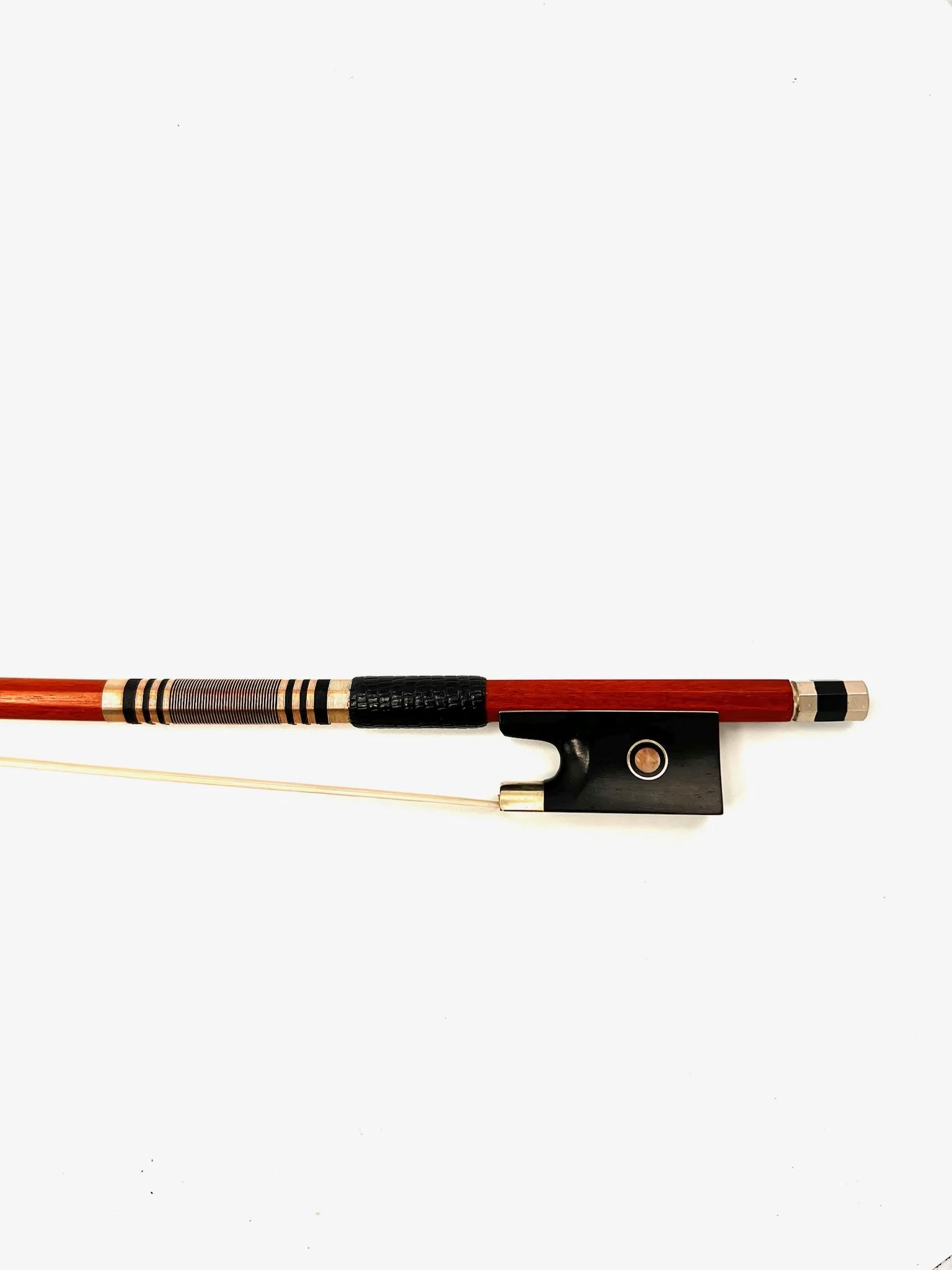
This fine full-size violin bow, crafted around 2010, represents the high standards of modern European bow making. Combining traditional French–German workshop techniques with contemporary precision, it offers a refined balance, responsive handling, and the warm tonal enhancement expected from true pernambuco.
2. Historical and Artistic Context
During the early 21st century, European bow workshops experienced a revival of artisanal craftsmanship, returning to the principles established by the great French schools of the 19th century. Makers once again focused on select pernambuco, cleanly carved heads, and durable ebony frogs with nickel or silver mounts.
This bow embodies that movement: elegant proportions, reliable construction, and a playing feel inspired by the classic French models, yet executed with modern consistency and stability.
3. Craftsmanship and Materials
The bow is crafted from dense, well-selected pernambuco, exhibiting a warm reddish-brown hue.
Key features include:
Frog: Ebony with mother-of-pearl eyes and slide
Mountings: Nickel, with a matching button
Winding: Functional and secure
Hair: Newly rehaired, ready for immediate use
Button: Nickel-mounted; minor cosmetic dent visible on the collar
The overall workmanship reflects a modern European workshop of higher quality, with careful attention to weight, camber, and balance.
4. Tonal Character and Playability
With its balanced weight of 53 g and a 62 cm balance point, the bow offers agile control and a comfortable feel in the hand.
On the string it provides:
Quick, clean articulation
Stable tracking
Warm, rounded tone production
Confident response suitable for both students and advancing amateurs
The fresh hair ensures optimal grip and tonal clarity.
5. Condition
Stick: Pernambuco, straight and structurally sound
Frog: Ebony in good condition
Button: Slight cosmetic dent; fully functional
Hair: New
No structural damage or repairs
Fully playable.
6. Measurements (cm)
Total length: 74.5 cm
Hair length: 65 cm
Balance point: 62 cm
Weight: 53 g
7. Packaging, Shipping, and Warranty
The bow will be shipped in a protective tube or padded case substitute, securely wrapped and fully insured. Professional packaging ensures safe arrival. No additional restoration or setup services are included.
8. Attribution
Attributed to a high-quality European workshop, ca. 2010, working in the modern tradition of 19th-century French and German bow making.
1. Introduction
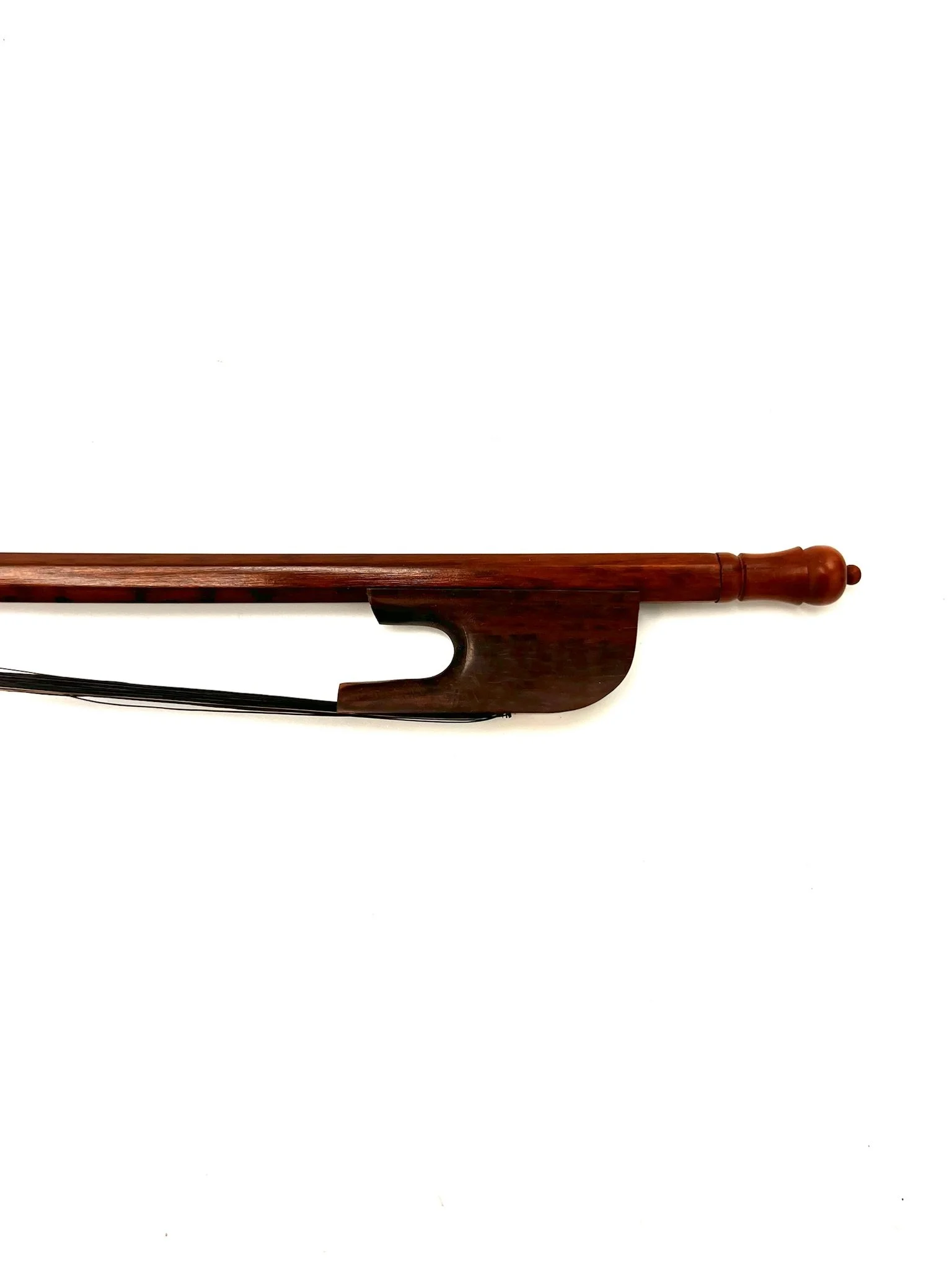
A finely handcrafted German baroque violin bow, reflecting the elegance and precision of 18th-century design. This bow exemplifies the balance and grace typical of early German workshops, executed in a rich reddish-brown pernambuco-style hardwood with natural luster and fine grain.
2. Historical and Artistic Context
Following the baroque tradition favored by performers of Bach and early classical repertoire, this model features an open frog and rounded screw typical of the pre-Tourte period. Its form offers the lightness and agility essential to historically informed performance.
3. Craftsmanship and Materials
Made in Germany from select hardwood with a deep, even texture and a polished oil finish. The open frog is carefully shaped and the shaft tapers smoothly to a refined point. Newly fitted with quality ebony-colored horsehair for authentic appearance and balance.
4. Tonal Character and Playability
This bow offers crisp articulation, fast response, and a clear, resonant sound ideal for baroque phrasing and stylistic nuance. Its light weight supports effortless control in dance movements, sonatas, and solo passages requiring subtlety and expression.
5. Condition
Mint condition throughout, free of wear or damage. Newly haired and immediately playable. No case included.
6. Measurements
• Total length: approx. 71 cm
• Balance point: approx. 22.5 cm from the frog
7. Packaging, Shipping, and Warranty
Securely packed in reinforced tubing to ensure full protection during shipment. Worldwide insured delivery with tracking. Handled with professional care for safe arrival.
8. Attribution
Crafted in the German tradition of early 18th-century baroque bow making, with meticulous attention to historical proportions, craftsmanship, and tonal authenticity.
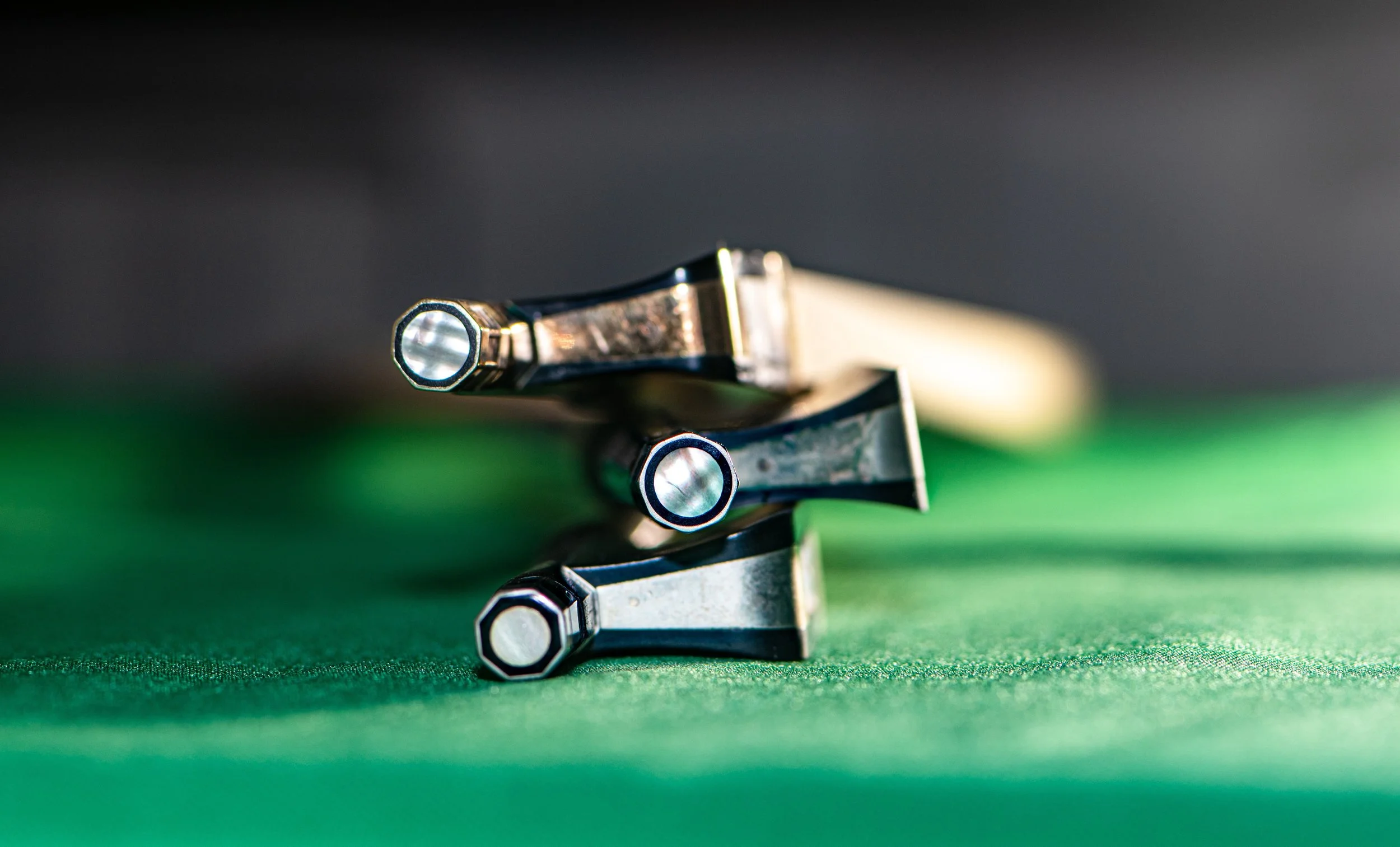
Understanding fine instruments
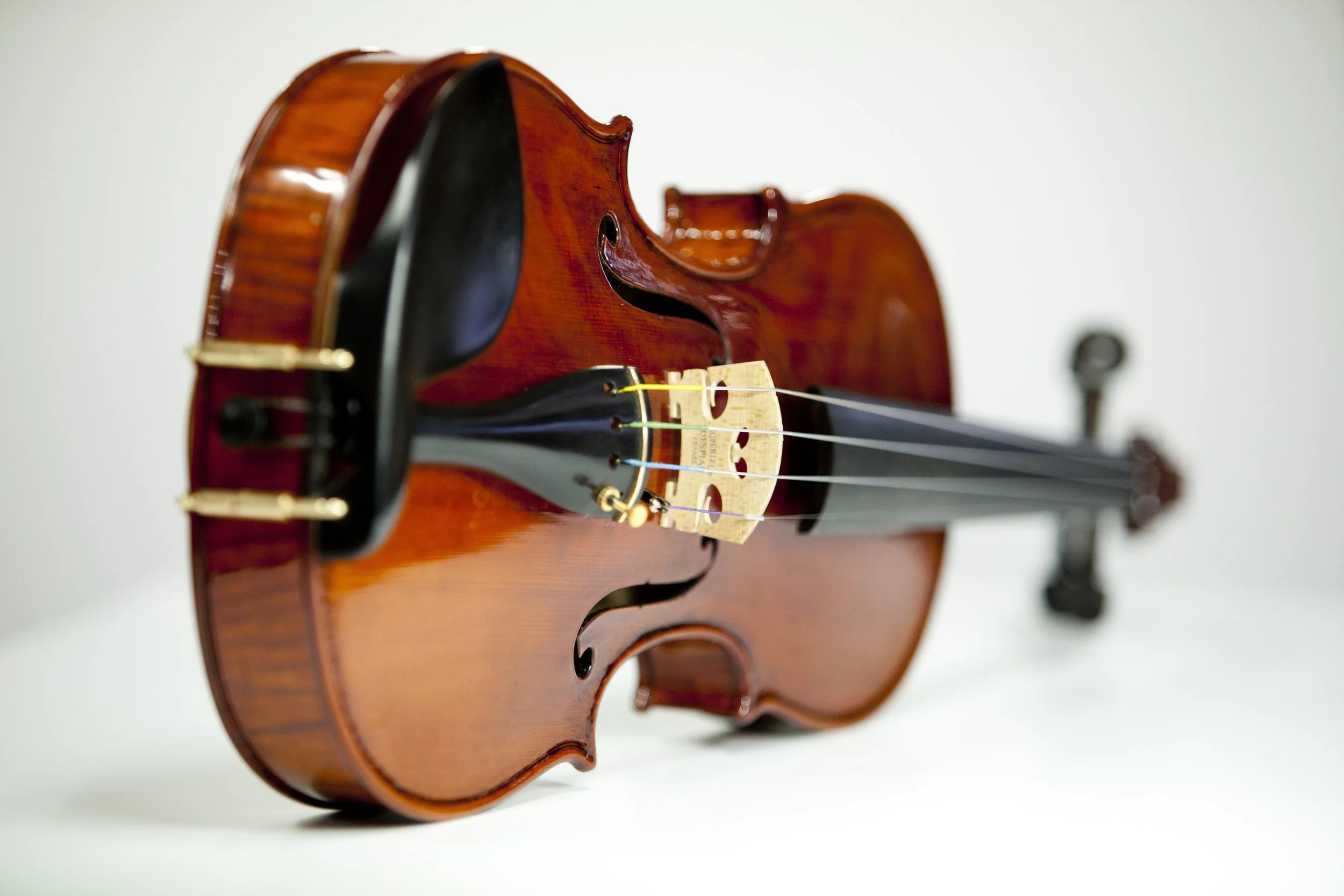
Fine instruments are defined not only by craftsmanship, but by the convergence of material quality, historical context and musical character. Beyond technical construction, their value lies in individuality, provenance and the way they respond to the musician.
Understanding these elements allows distinctions to be made between instruments that are merely well-made and those that possess lasting artistic and musical significance.
Master and workshop violins
The distinction between master and workshop violins lies primarily in authorship, craftsmanship and individuality.
Master violins are typically the work of a single maker, reflecting a personal style, refined technique and artistic intention. They often carry historical or cultural significance and display a high degree of tonal complexity and character.
Workshop violins, by contrast, are produced within ateliers or workshops where multiple craftsmen contribute to the construction. While often technically excellent, they tend to follow established models and styles, offering consistency and reliability rather than individual expression.
Both categories play an important role in the world of fine instruments, appealing to different needs, budgets and artistic expectations.
French and German bow traditions
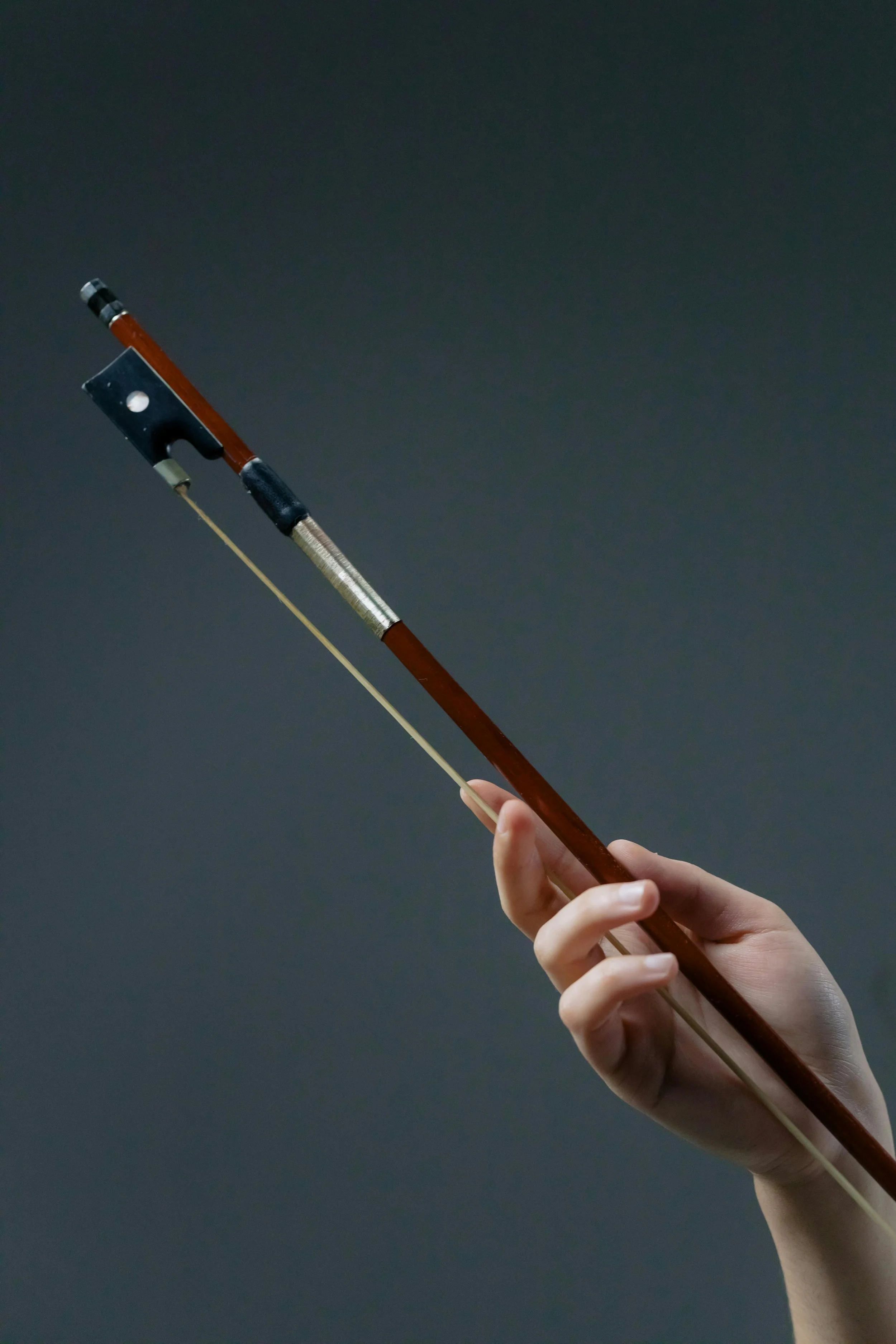
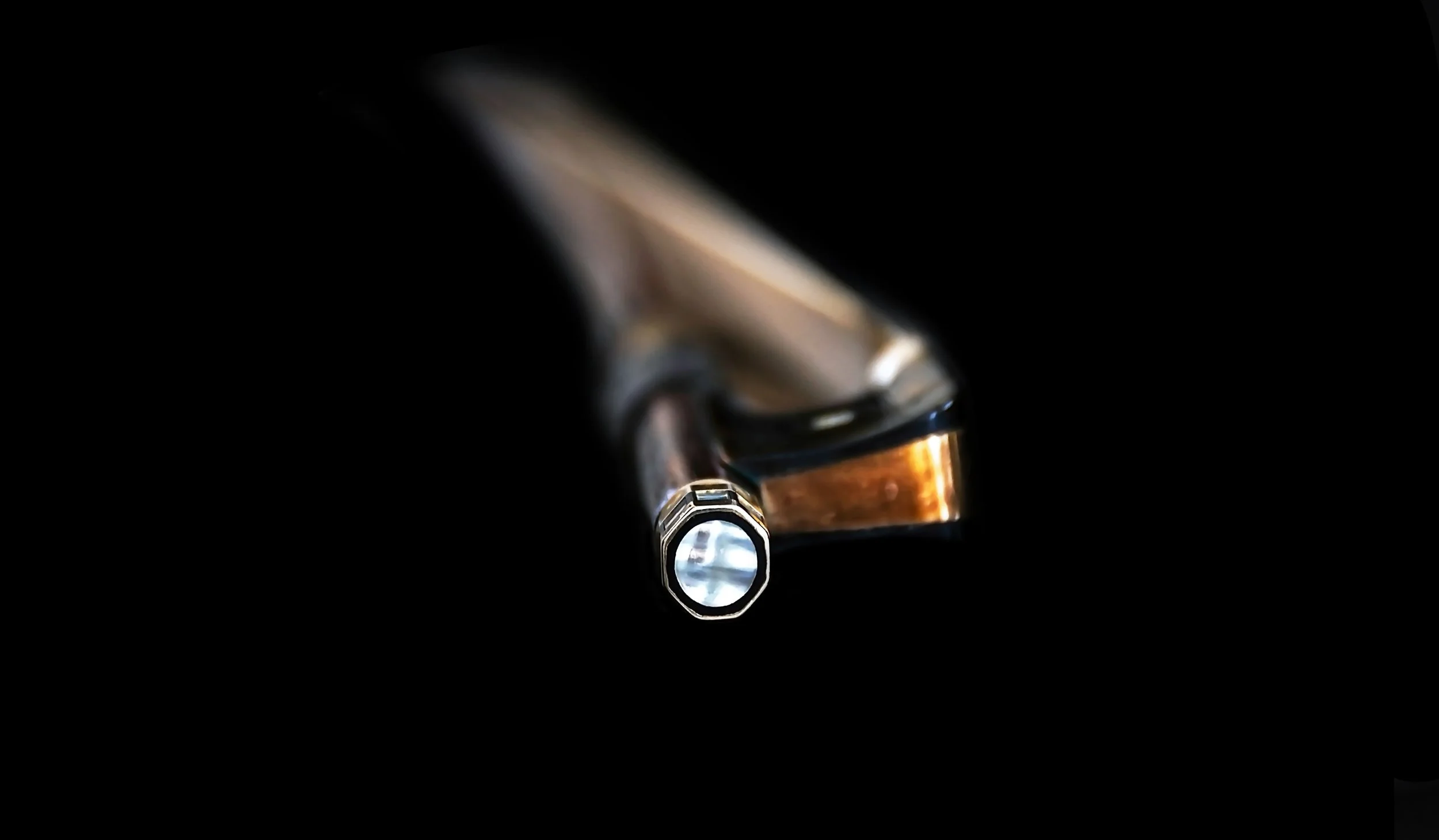
French and German bow making represent two distinct traditions shaped by history, technique and musical aesthetics.
French bows are often associated with elegance, balance and refined articulation. Emerging from the tradition of makers such as Tourte and his successors, they tend to favour clarity, responsiveness and a nuanced tonal palette. Their construction reflects an emphasis on precision and subtlety, making them highly valued by soloists and chamber musicians.
German bows, by contrast, are traditionally characterised by strength, stability and a broader, more grounded sound. Rooted in Central European craftsmanship, they often offer greater resistance and projection, qualities that appeal to orchestral players and those seeking a powerful tonal presence.
While these distinctions provide a framework for understanding bow traditions, individual bows ultimately transcend categorisation. Craftsmanship, condition and musical compatibility remain decisive factors in determining their artistic and practical value.
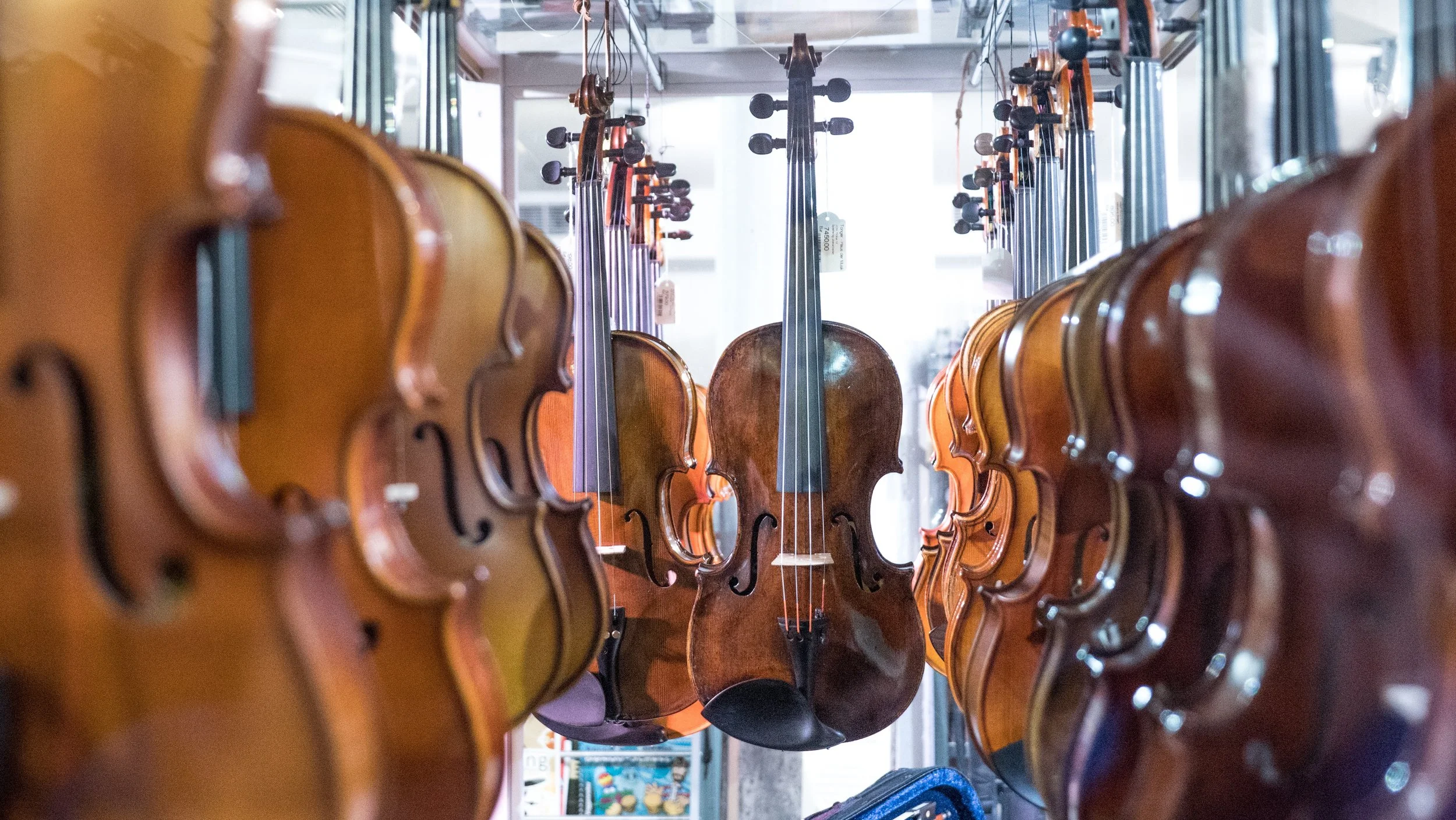
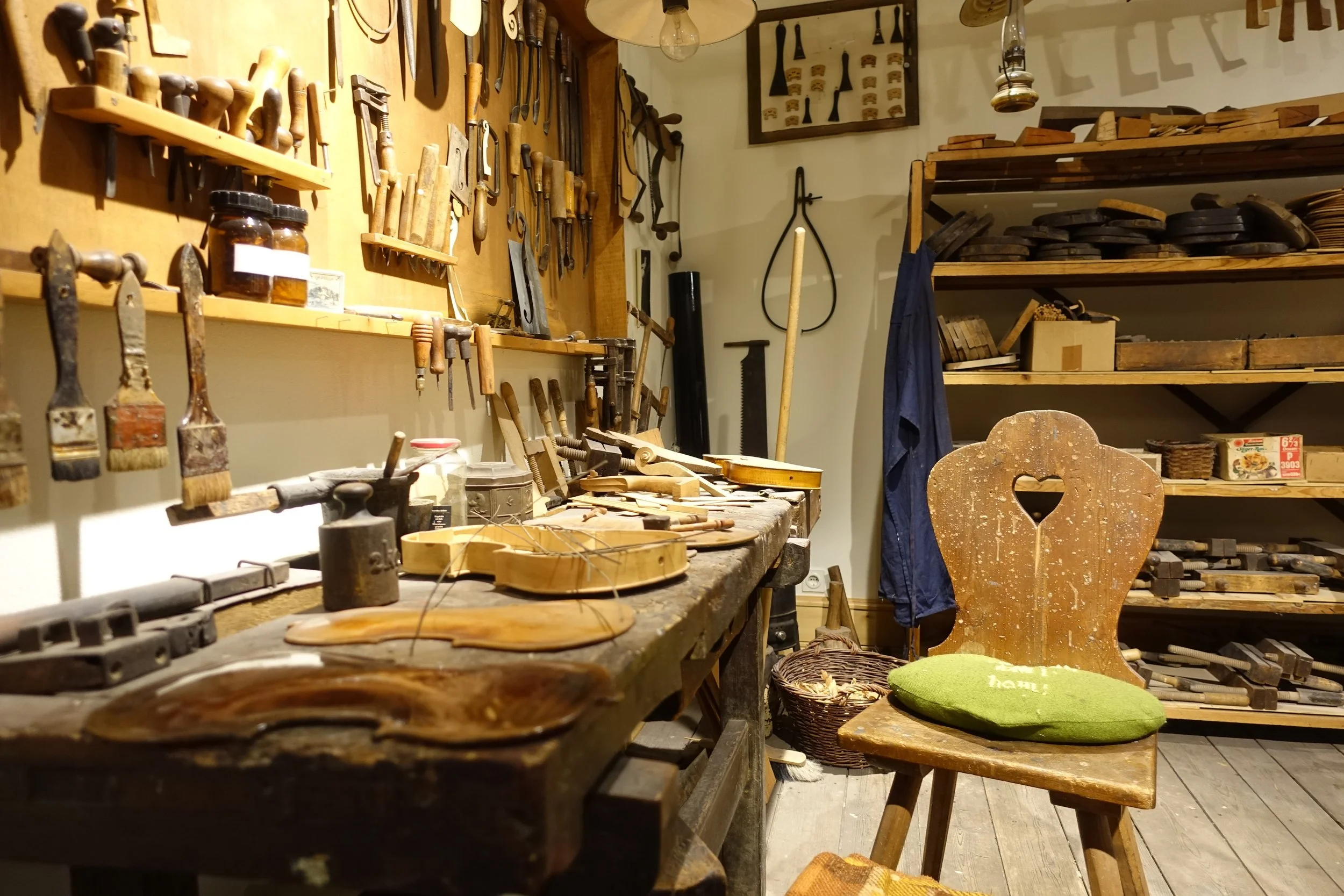
Our workshop services are provided in collaboration with specialized luthiers in Amsterdam, The Netherlands, and other renowned luthiers in Europe. Every intervention is guided by respect for original materials, historical context and musical integrity, ensuring that each instrument is treated with technical expertise and long-term care.
Our workshop
We offer a considered selection of materials, maintenance products essential to the care, setup and everyday use of fine instruments and bows. This includes strings, bridges, fittings, rosin and cleaning products, selected with attention to quality, compatibility and traditional standards of instrument making.
Materials & maintenance
Restoration and repairs
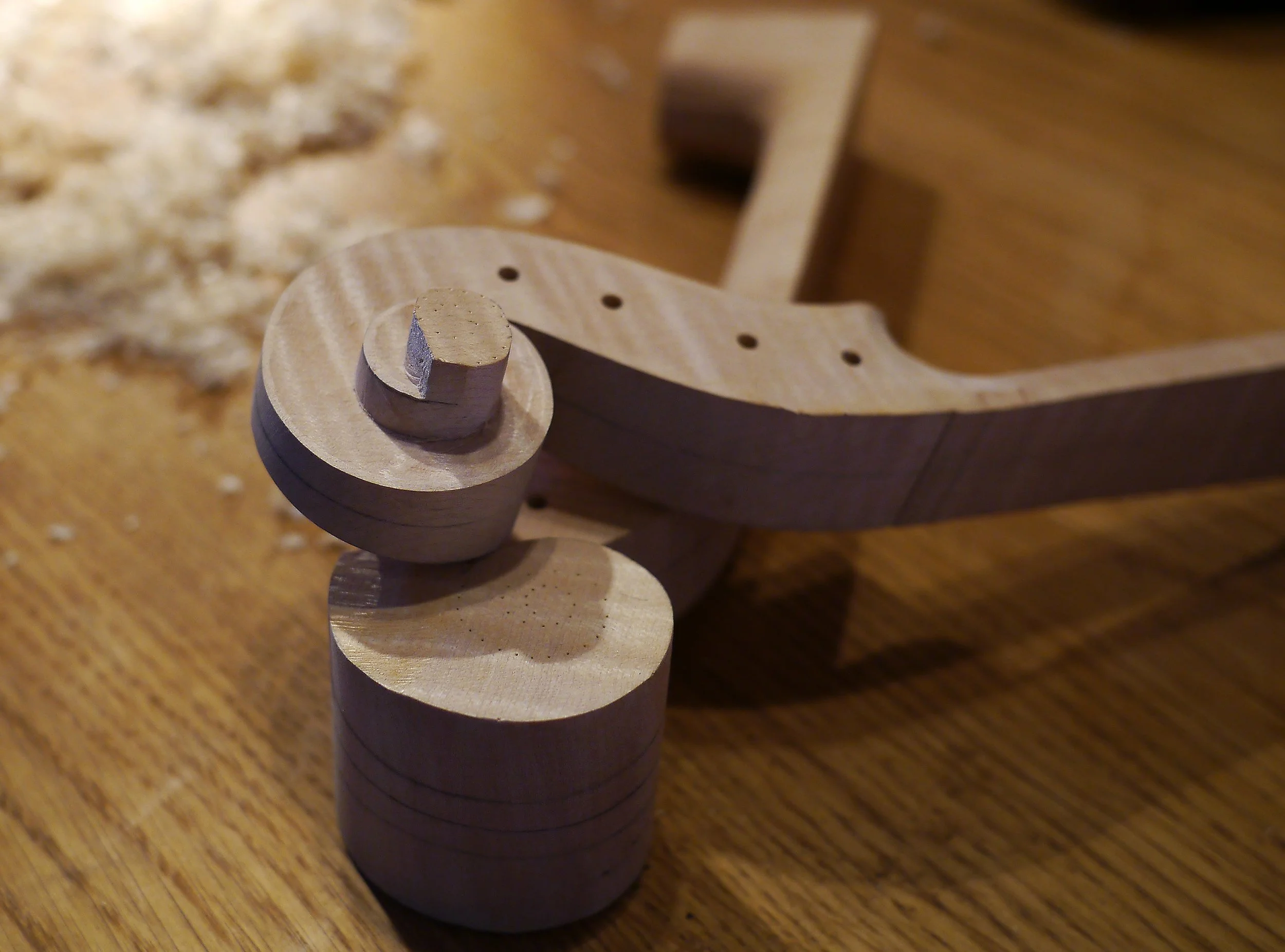
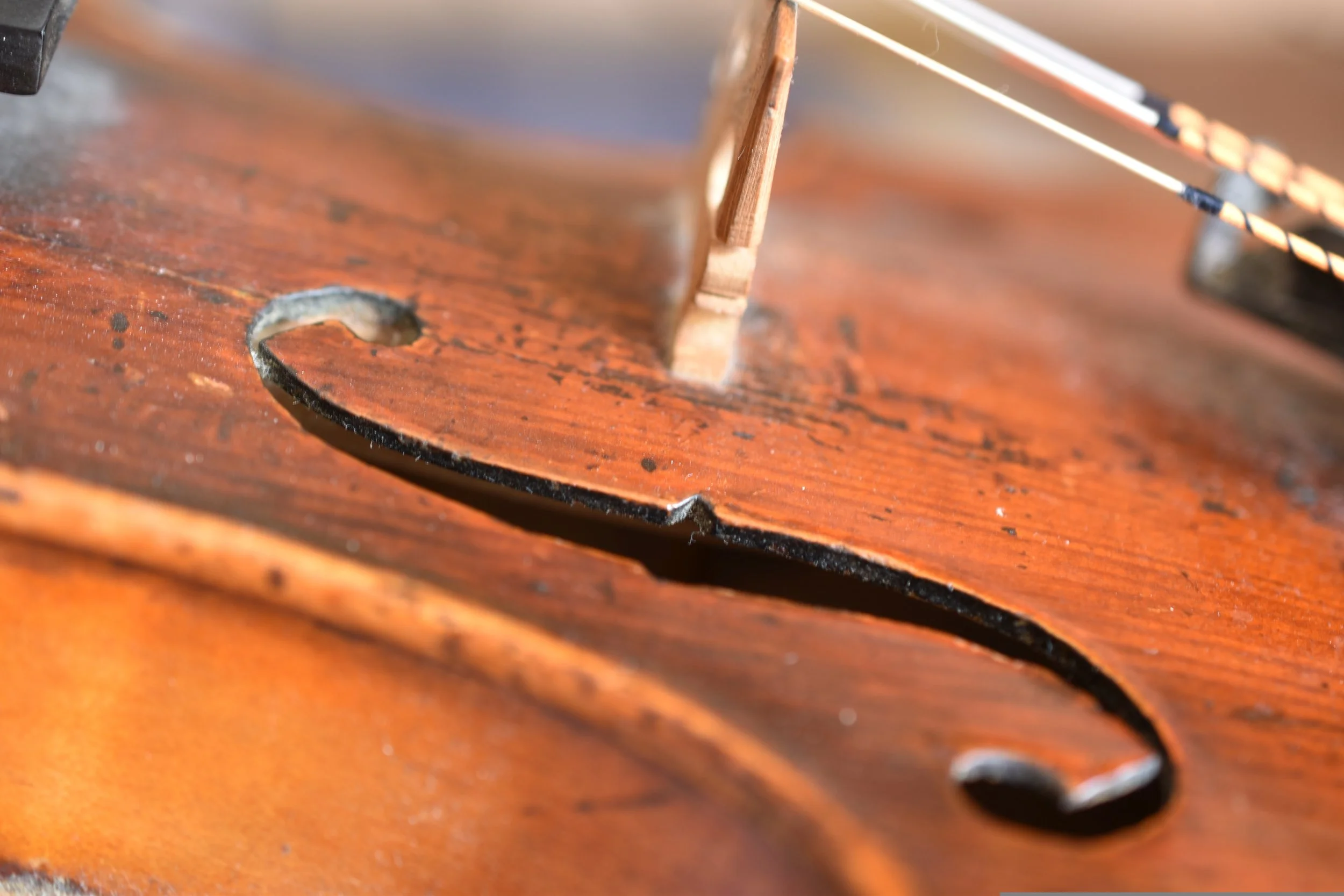
Restoration and repair work is undertaken with careful consideration of structure, sound and historical authenticity. From subtle adjustments to complex restorations, each intervention is approached with restraint and precision, with the aim of preserving both the musical and historical value of the instrument.
Bow re-hairing
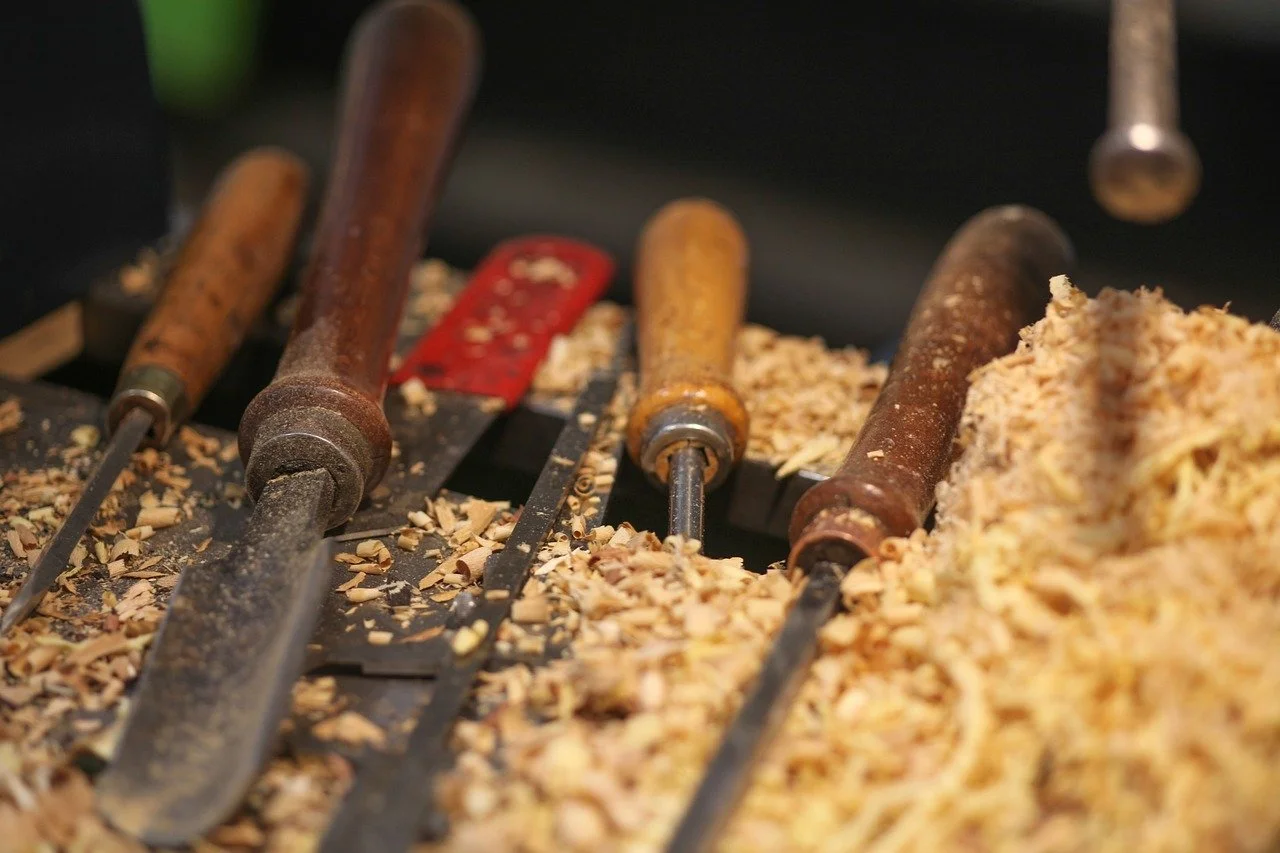
Bow re-hairing is carried out with equal attention to balance, responsiveness and traditional methods, ensuring optimal playing characteristics while respecting the integrity of each bow.
Archive
The archive presents a selection of instruments and bows that have previously passed through our collection. It reflects the range, character and historical depth of instruments we have handled over time.
Get in Touch
Whether you have a question, an idea, or just want to say hello, feel free to reach out—we’re here to help.